

The way consumers find products and information has fundamentally changed. A decade ago, search engine users relied entirely on text queries, typing specific phrases into a bar and reading through blue links. Today, visual data dictates the buyer journey. Consumers snap photos of shoes on the subway to buy them instantly, upload screenshots to identify complex machinery components, and interact with AI search layers that parse pixels just as easily as prose.
For a modern business, images are no longer decorative design elements to make a webpage look attractive. They are structural data assets. Failing to optimize your visual ecosystem means leaving a substantial portion of your organic visibility on the table and exposing your proprietary brand assets to theft and copycats.
Whether your goal is capturing high-converting transactional traffic via Google Lens or scanning the digital horizon to find unauthorized uses of your intellectual property, mastering advanced image search techniques is a core operational requirement.
Quick Summary
What are the primary image search techniques for business growth and asset protection?
Modern visual search demands a twin strategy: deploying technical optimization frameworks (like next-gen WebP formats, structured alt text, and entity schema) to rank your original imagery across AI search engines, while concurrently executing advanced reverse image lookup workflows (via platforms like TinEye and Google Lens) to track, monitor, and protect your brand assets from unauthorized digital exploitation and counterfeit listings.
Key Takeaways
- Visual Search Scale: Over a third of all standard search queries surface image grids, making visual asset development a non-negotiable channel for customer acquisition.
- The AI Transition: Generative AI engines use complex computer vision to interpret and recommend matching graphics, altering traditional meta-tag optimization rules.
- Proactive Protection: Regular reverse engineering of your primary product imagery identifies counterfeit networks, digital scrapers, and brand compliance issues before they erode profit margins.
- Optimization Frameworks: Elevating visual discovery requires contextual relevance, proper schema implementation, and structured filenames rather than generic stock uploads.
- Cross-Platform Mapping: Distinct search engines process visual indexes differently, requiring specific deployment tactics for Google, Bing, and alternative regional platforms.
The Landscape of Visual Search in Digital Marketing
Visual discovery is no longer a niche behavior confined to lifestyle curation or retail shopping. It is an expansive, cross-industry search pattern that influences B2B procurement, healthcare sourcing, automotive vehicle matching, and home service research.
When a contractor needs to source a highly specific industrial valve or a homeowner wants to replicate a precise architectural molding, they do not guess the technical nomenclature. They take a picture.
The growth of this sector is fueled by massive hardware and software convergence. Mobile operating systems now embed optical recognition directly into the native camera interface, allowing immediate indexing of the physical environment.
Understanding the Numbers Behind Visual Intent
The numbers backing this shift reflect a permanent change in consumer expectations. According to a comprehensive 2026 search query study by Semrush, image results are now displayed in 38.4% of all standard Google search queries. When you narrow that focus down to e-commerce and product-specific terms, that visual inclusion rate skyrockets to 74%.
Furthermore, data published by Ahrefs analyzing over two billion search interactions reveals that global image search click-through rates have climbed significantly, with the fashion, food, and automotive verticals leading visual traffic acquisition.
| Vertical Industry | Average Image Result Inclusion Rate | Average Click-Through Rate (CTR) | Primary User Action Intent |
| E-Commerce & Retail | 74.0% | 11.7% | Direct Product Purchase & Price Comparison |
| Travel & Hospitality | 81.0% | 8.2% | Destination Research & Accommodation Booking |
| Automotive & Parts | 52.0% | 6.4% | Trim Level Verification & Part Identification |
| B2B Industrial Equipment | 41.0% | 4.8% | Technical Specification Matching & Sourcing |
This shifting reality represents a major opportunity for brands working alongside experienced digital marketing experts to restructure their content architecture.
If your digital assets are not clearly indexed, you are missing out on high-intent shoppers who use images as their primary entry point to the transaction funnel.
Core Image Search Techniques: How Search Works
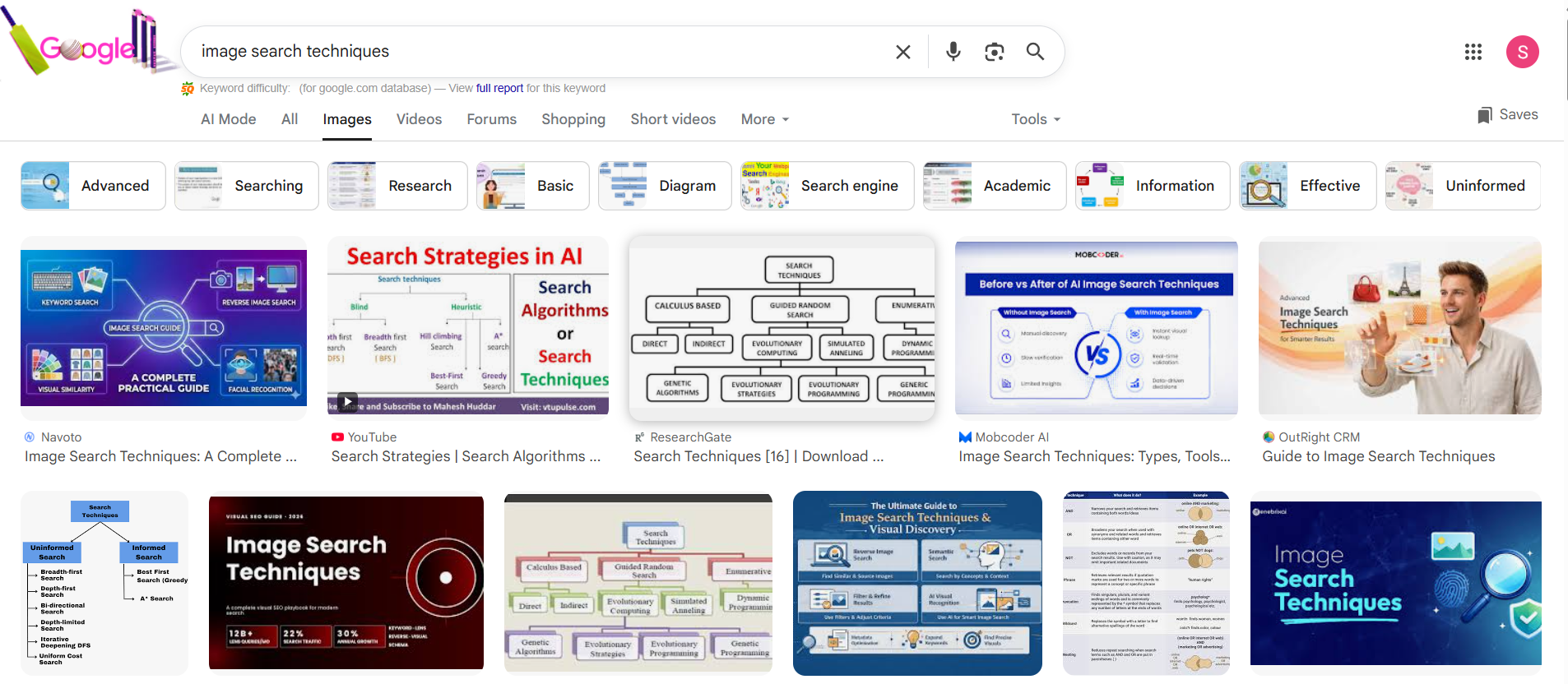
To build a reliable digital presence, you must understand the two core mechanisms driving visual discovery: forward visual search and reverse asset lookups.
Forward visual search happens when a user submits an image file or a live camera feed as their initial search input to discover related themes, items, or textual explanations. Reverse search involves submitting an existing visual asset to track down its original publication source, discover duplicates, or monitor indexation history across the broader web.
Both methodologies rely heavily on deep learning models and computer vision. Rather than reading an image filename alone, search engines analyze pixel layouts, detect edge contrasts, map color histories, and convert the entire visual canvas into a multi-dimensional mathematical vector.
This vector is then mapped against an index of billions of other graphics to find matches with similar geographic, structural, or conceptual attributes.
Processing Visual Elements Across Platforms
Different search engines approach this visual analysis through proprietary feature sets. For instance, Google Lens focuses intensely on entity recognition, identifying specific retail items, historical landmarks, plant species, and text strings embedded within real-world environments.
Bing Visual Search leans heavily into modular consumer actions, allowing users to crop specific segments of a photo to isolate a single item and instantly search for e-commerce purchase links.
Meanwhile, platforms like Yandex Image Search utilize highly sensitive facial and landscape recognition models that excel at finding exact structural matches even if the lighting, crop ratio, or color grading has been heavily modified.
Understanding these subtle algorithmic variations allows your brand to craft a comprehensive multi-platform image blueprint that performs well across every unique consumer discovery touchpoint.
Types of Image Search Techniques
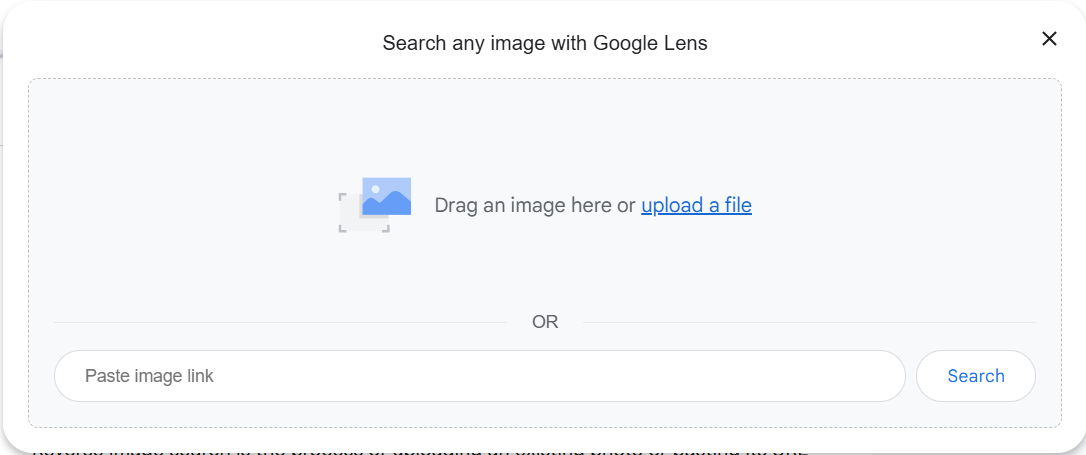
While every image search engine relies on artificial intelligence and computer vision, not every search works the same way. Different image search techniques are designed for different goals, from finding visually similar products to verifying the source of an image. Understanding these methods helps marketers, SEO professionals, researchers, and businesses choose the right approach for each task.
Keyword-Based Image Search
Search engines retrieve images by matching your text query with filenames, alt text, surrounding content, captions, structured data, and page relevance.
Best for
- Blog research
- Product discovery
- Finding stock photos
Reverse Image Search
Instead of entering keywords, users upload an existing image to find its original source, duplicates, or modified versions.
Best for
- Copyright protection
- Brand monitoring
- Fact checking
Visual Similarity Search
AI compares colors, objects, layout, textures, and shapes to find visually similar images instead of identical copies.
Best for
- Fashion
- Interior design
- Ecommerce
Object Recognition
Computer vision detects products, landmarks, plants, animals, machinery, and other objects within an image.
Best for
- Google Lens
- Shopping
- Inventory
Metadata Search
Uses EXIF data, filenames, GPS information, alt text, and structured metadata.
Best for
- Digital asset management
- Photography
Multimodal Search
Modern AI combines text, images, and voice into one search.
Strategic Applications of Reverse Image Search for Brand Protection
For brand managers and digital strategists, reverse image monitoring is a critical tool for digital asset protection. The moment your company produces high-quality, original graphics, product photography, or informational charts, those assets become prime targets for unauthorized reuse.
Unmonitored theft of your visual property dilutes your organic visibility, confuses your consumer base, and frequently fuels fraudulent digital entities.
Digital scrapers, low-grade affiliate blogs, and counterfeit e-commerce operations routinely pull official photography directly from high-performing corporate websites. They use these stolen assets to build deceptive sales pages that appear completely legitimate to the casual buyer.
By executing deliberate, routine reverse engineering across your critical visual portfolio, your internal risk management team can discover these fraudulent web properties and protect your market share.
Uncovering Corporate Identity Infringement
Another area of growing risk involves direct identity theft and trademark infringement through the misuse of corporate logos, executive headshots, and proprietary brand style elements.
Bad actors routinely duplicate corporate visual materials to construct highly convincing phishing landing pages, fraudulent social media brand profiles, or deceptive employment listings designed to extract sensitive data from unsuspecting individuals.
Using a strategic blend of enterprise image search tools ensures that your brand monitors how its primary visual markers are utilized across the global web ecosystem.
Identifying these digital asset leaks early allows you to issue swift DMCA takedown requests, protect your customer relationships, and preserve the long-term integrity of your market reputation.
Essential Image Search Tools for Marketers and Strategists
Executing an effective visual management and brand defense program requires the right suite of diagnostic tools. Relying entirely on a single platform leaves massive visibility blind spots because search engine indexes vary wildly based on regional data collection and platform-specific crawl algorithms.
Choosing the Right Platform for Your Brand Defense
To coordinate a successful cross-platform asset strategy, review the core capabilities, optimal use cases, and functional limitations of the primary tools available in the modern search ecosystem:
- Google Lens: This platform serves as the premier engine for identifying real-world consumer products, retail items, and contextual environmental details. It handles text translation and automated e-commerce sourcing beautifully, making it the benchmark tool for evaluating how your products appear in mobile-first consumer environments.
- TinEye Reverse Image Search: Unlike standard consumer search engines, TinEye is an independent tool built specifically for precise digital asset tracking, image compliance monitoring, and copyright verification. It does not look for conceptual resemblances; instead, it identifies exact pixel matches, direct file modifications, specific crop variations, and digital alterations of your original uploads.
- Bing Visual Search: This tool delivers exceptional value for e-commerce platforms and retail brands. Its robust developer API allows businesses to integrate visual search capabilities directly into their own applications, while its clear shopping overlays provide a direct path from pixel discovery to final product checkout pages.
- Yandex Image Search: This engine features highly advanced structural matching algorithms that excel at tracking down modified imagery, identifying altered corporate logos, and uncovering unauthorized asset use across international boundaries that other search crawlers might overlook.
To maintain a competitive edge, monitor how your primary commercial imagery scales across these distinct networks.
Regularly testing your core product photos through a variety of lookups helps you view your digital presence through the exact lens of your global target audience.
Image Search vs. Visual Search: What’s the Difference?
Although the terms image search and visual search are often used interchangeably, they are not the same. Traditional image search relies primarily on text-based queries to retrieve indexed images, whereas visual search uses artificial intelligence to analyze the content of an uploaded image or live camera feed and identify visually similar objects.
Understanding this distinction helps marketers optimize content for both conventional search engines and emerging AI-powered search experiences.
Image Search vs. Visual Search Comparison
| Feature | Image Search | Visual Search |
| Search Input | Keywords | Image or Camera |
| Technology | Text-based indexing | AI & Computer Vision |
| Primary Purpose | Find indexed images | Identify objects and similar products |
| Best For | Research, SEO, content discovery | Shopping, product search, identification |
| Popular Platforms | Google Images, Bing Images | Google Lens, Bing Visual Search, Pinterest Lens |
| Optimization Focus | Alt text, filenames, surrounding content | Image quality, object recognition, structured data |
Technical Image SEO: Optimizing for Visual Discovery
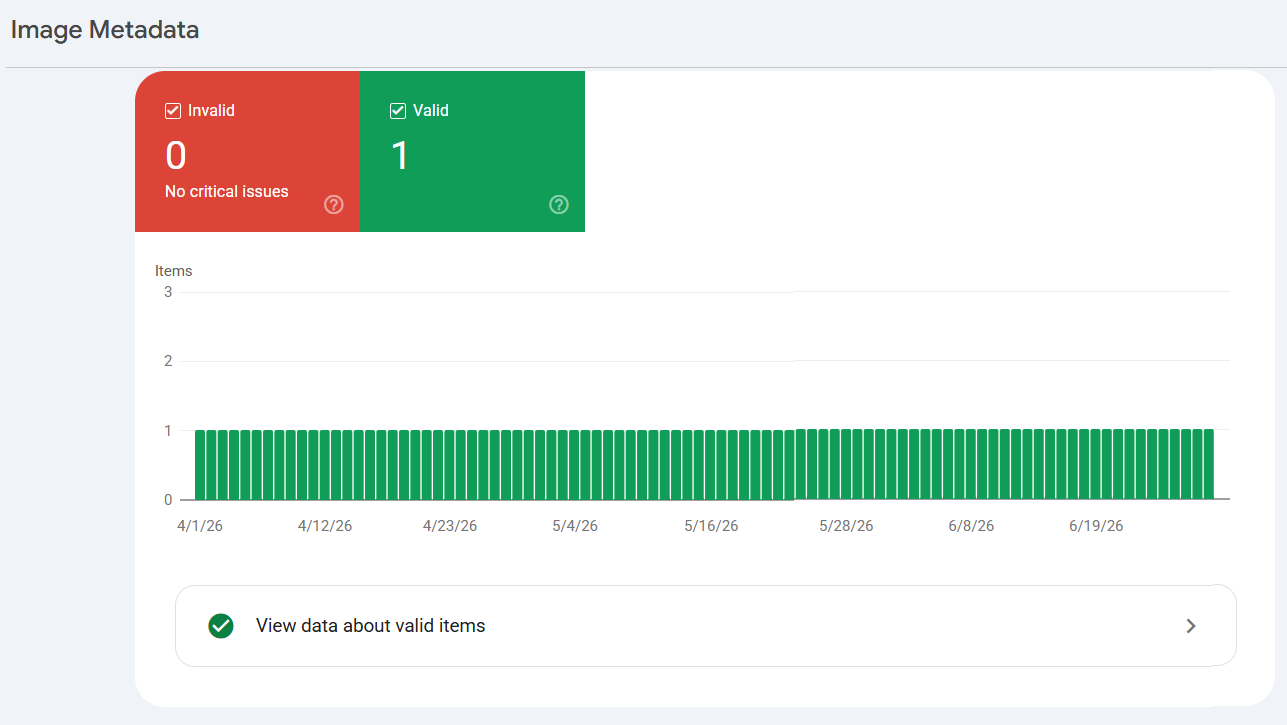
To ensure your brand imagery ranks prominently across organic search grids and AI discovery modules, you must move past basic technical optimization checklist habits.
True image SEO requires a deliberate, programmatic approach to asset formatting, structured metadata delivery, and deep semantic alignment between your visual elements and surrounding text layout.
Search engine crawlers rely on a matrix of on-page signals to determine the true contextual authority of a graphic. If an optimized asset is buried inside an irrelevant paragraph, hosted on a slow-loading server infrastructure, or stripped of its underlying code signals, it will fail to gain traction in competitive visual carousels.
Building the On-Page Context Architecture
The foundation of visual asset optimization starts with structured naming protocols and precise HTML attributes. Toss out default camera outputs like IMG_9042.jpg or generic inventory codes.
Your filenames must be clear, descriptive, and naturally descriptive of the subject matter, using clean hyphens to separate words.
<!– Example of a properly optimized structural asset layout –>
<img src=”dallas-automotive-engine-diagnostic-repair.webp”
alt=”Certified mechanic performing an advanced engine diagnostic calibration on a modern vehicle”
loading=”lazy”
width=”1200″
height=”630″>
Furthermore, data from a landmark Clearscope web audit confirms that image assets placed within 150 words of highly related body text score 41% higher on topical relevance metrics, leading to a 33% increase in total image impressions.
Ensure your surrounding paragraphs, section H2s, and descriptive image captions reinforce the identical semantic themes embedded within the graphic itself.
- Descriptive Alt Text: Craft alternative text descriptions to serve as functional, descriptive content layers for accessibility screen readers and search crawlers, rather than dropping in strings of raw keywords.
- Modern File Deployments: Transition away from outdated formats like PNG or JPEG for standard web copy. Implement next-generation structures like WebP or AVIF to deliver sharp resolution alongside significantly reduced file sizes.
- Structured Data Implementation: Deploy specific Product, Article, or Local Business schema markup on your target web pages to provide search engines with immediate clarity regarding pricing, real-time availability, and direct brand attribution.
- Dedicated Image XML Sitemaps: Build and submit independent visual sitemaps within your Google Search Console profile to accelerate crawler discovery and dramatically improve indexation schedules across extensive e-commerce catalogs.
Dedicated Section: Mastering GEO & AIO for Visual Assets
Generative Engine Optimization (GEO) and AI Overview (AIO) strategy represent the next major frontier in digital discovery. Traditional search engines focus heavily on ranking individual URLs inside standard index grids.
In contrast, generative AI platforms like ChatGPT, Perplexity, and Google AI Overviews act as synthesis networks. They ingest content from across the web to construct unified, multi-modal answers directly within the primary interface.
For an image asset to be featured within these high-value conversational response modules, it must pass a highly rigorous algorithmic filtering process.
AI models select visual resources that provide immediate, unambiguous clarity to complex user queries, serving as a definitive proof point for the conversational answer generated beside them.
Optimizing Visuals for Multi-Modal Synthesis
To position your digital assets for selection by generative answer frameworks, you must pivot your creative direction toward high-utility, structured informational graphics.
Generative engines frequently skip generic, decorative stock photos because they offer no unique data value to the synthesized response block. Instead, focus your energy on producing custom, high-authority visual resources.
Develop comprehensive process flowcharts, data-driven comparison charts, step-by-step instructional graphics, and labeled technical blueprints that visually break down complex subject matter.
When a generative model pulls data from your textual explanation, a clearly structured graphic embedded right alongside it becomes the natural choice for the final multi-modal visual display slot.
- Implement Explicit Visual Labeling: Ensure every infographic, chart, and technical diagram features clear, high-contrast text labels and structural legends directly within the image file canvas itself, allowing computer vision layers to parse the content instantly.
- Establish Absolute Brand Association: Embed subtle, clean brand watermarks, official company logos, and creator attribution fields into your custom media assets to maintain clear brand association across AI output networks.
- Maintain High Document Proximity: Place your high-value diagrams immediately adjacent to detailed, structured text summaries that summarize the visual data, providing AI scrapers with an undeniable contextual match.
- Verify Knowledge Graph Alignment: Ensure the core entities, product names, and structural terms used in your visual labels line up precisely with recognized entities within the global Google Knowledge Graph ecosystem.
Dedicated Section: Establishing EEAT in Visual Content
Google’s core ranking guidelines place incredible weight on the pillars of Experience, Expertise, Authoritativeness, and Trustworthiness (EEAT). While most web publishers look at these signals through text elements like author bios or editorial policies, search crawlers look closely at your visual content to judge your true real-world authority.
The web is flooded with duplicate stock photography and low-quality, AI-generated imagery that offers zero unique perspective.
A brand that relies heavily on these generic shortcuts signals to modern algorithms that it lacks real-world footprints, original insights, and authentic industry experience.
Demonstrating Authentic Real-World Experience
To signal true authority to both users and search crawlers, your content strategy must feature original, first-party imagery that confirms your daily operational experience.
For an automotive brand, this means replacing shiny factory marketing mockups with crisp, detailed photos of actual vehicles sitting directly on your local showroom lot.
For a home services or healthcare provider, it means showcasing your real staff, active project locations, and specialized corporate facilities.
[Generic Stock Media Uploads] > (Signals Low Effort & Minimal Authority)
[Original First-Party Imagery] > (Validates Deep Real-World Industry Experience)
By partnering with an experienced digital marketing agency, businesses can build an authentic, high-authority visual library that strengthens brand credibility, improves search visibility, and reinforces long-term EEAT signals.
- Showcase Real Staff and Corporate Operations: Feature high-quality photography of your actual leadership team, technical specialists, and field experts actively working on real projects to build quick human connection and brand trust.
- Capture Step-by-Step Field Work: Build detailed visual case studies that capture the actual progression of your services, documenting real-world challenges, field adjustments, and final project outcomes.
- Secure High-Resolution Product Evidence: Supply multi-angle, macro-lens product photography that clearly displays manufacturing quality, material textures, and internal engineering details to give shoppers maximum purchasing confidence.
- Maintain Clean Technical Metadata Exif Data: Preserve original camera metadata, including genuine creation dates, camera settings, and localized GPS coordinates within your uploaded brand image files to provide clear verification of real-world origin.
Step-by-Step Guide to Conducting a Reverse Image Search Audit
Conducting a professional visual asset audit helps you uncover copyright violations, identify missed organic traffic opportunities, and recover valuable link equity across the broader web ecosystem.
Follow this structured workflow to audit your brand’s primary imagery, clean up unauthorized uses, and maximize the return on your creative investments.
The Asset Protection Workflow
Step 1: Inventory Core Assets
Step 2: Run Multi-Engine Lookups
Step 3: Classify Findings
Step 4: Execute Takedown/Link Recovery
1. Inventory Your High-Value Visual Assets
Initial Setup Phase
Gather your primary visual assets into a centralized tracking dashboard. Focus your attention on high-performing product photography, custom infographics, proprietary data charts, and official trademarked brand logos that drive your organic search visibility.
2. Execute Multi-Engine Lookups
Data Collection Phase
Submit your core visuals across a variety of reverse lookup platforms to secure comprehensive web coverage. Test your assets through Google Lens to review general search visibility, TinEye to pinpoint specific file modifications, and Yandex to flag international usage patterns.
3. Analyze and Classify Found Matches
Evaluation Phase
Review every discovered match to determine its intent and impact on your business. Divide your findings into clear actionable categories: legitimate partner sites, low-grade scraper blogs, direct counterfeit retail operations, or benign editorial references that simply forgot to include a proper credit link.
4. Deploy Enforcement and Link Reclamation Protocols:
Action Phase
For harmful or fraudulent web properties, issue immediate, structured DMCA takedown requests to their hosting providers to protect your brand identity. For high-quality, reputable editorial sites using your imagery without credit, send a polite note requesting an active attribution link back to your original source page.
Common Mistakes to Avoid in Visual Content and Search
Even seasoned digital marketing teams frequently stumble when managing visual asset workflows. These technical errors slow down your site performance, break your customer user experience, and create massive barriers that keep search engine crawlers from indexing your media assets properly.
Addressing Page Weight Bottlenecks
One of the most persistent operational errors is uploading oversized, raw graphics directly into your content management system.
According to web performance data published by the HTTP Archive, unoptimized imagery accounts for an average of 42% of total page weight across the top five million indexed websites.
Forcing mobile users to download massive multi-megabyte files triggers immediate page-speed friction, damages your core web vitals, and actively pushes consumers away from your conversion funnel.
- Relying on Autogenerated Image Captions: Avoid letting automated site modules create generic, repetitive image descriptions that fail to provide real context to search engines or human visitors.
- Burying Graphics inside Script Containers: Keep your critical brand imagery from being hidden deep within complex JavaScript elements or custom gallery scripts that standard search crawlers cannot easily read.
- Skipping Explicit Dimension Allocations: Always include clear width and height attributes within your image tags to avoid sudden layout shifts as your web page loads.
- Using Cluttered Watermark Layouts: Avoid covering your graphics in distracting, high-density watermarks that ruin the visual experience for human visitors and scramble computer vision analysis.
Building a Resilient Visual Brand Footprint
Navigating the modern digital landscape requires balancing creative asset optimization with proactive brand protection. Visual search is no longer a forward-looking trend; it is a core commercial channel that shapes how audiences engage with, evaluate, and trust your business online.
By restructuring your digital workflows around advanced image optimization frameworks, high-utility graphic development, and regular asset protection audits, you ensure your brand captures high-value traffic while keeping its intellectual property secure.
Success in this evolving visual space demands deep technical expertise, creative precision, and a data-driven commitment to continuous strategy optimization.
As a premier, award-winning agency with over 40 years of experience navigating major market shifts, the team at Miller Ad Agency specializes in building integrated digital campaigns that deliver measurable business growth. Contact our Dallas-based strategy team today to optimize your brand’s visual engine and build a commanding market presence that outpaces the competition.
Frequently Asked Questions
What is the primary difference between a forward image search and a reverse image lookup?
A forward search uses an image file or live camera shot as the initial search prompt to find related themes, similar products, or contextual insights across the web. A reverse lookup takes an asset you already have and scans search engine indexes to locate its exact origin, identify copies, and track down where that specific image is published online.
How does Google Lens help e-commerce brands drive retail traffic?
Google Lens acts as a direct bridge from visual discovery to final product checkout. When a consumer snaps a photo of a product in the real world, the engine parses the item’s unique design attributes and surfaces matching organic product listings, current pricing, and direct purchase paths, allowing businesses to capture high-intent buyers instantly.
Why is relying entirely on stock photography bad for modern SEO performance?
Stock photos do not pass the uniqueness tests required by modern ranking algorithms, offering zero new data value to search indexes. Because the exact same files are used across thousands of unrelated websites, search engines routinely prioritize platforms that invest in original, first-party media assets that confirm real-world experience.
What technical steps should a brand take to recover link equity from stolen imagery?
When you discover an authoritative external website using your custom graphics or charts without credit, reach out directly to their editorial team. Rather than opening with an aggressive legal demand, thank them for sharing your content and request that they add a proper, active backlink to your original source page to capture valuable organic link equity.
How can a business configure its website to prevent automated image scraping?
While completely stopping determined digital scraping is incredibly difficult, you can build strong defensive barriers. Implement a clear hotlinking prevention policy via your CDN or server configuration, configure your robots.txt file to block known scraping bots, and embed structured metadata markers directly into your image files.
Do next-generation image formats like WebP offer tangible ranking benefits?
Next-gen file formats like WebP or AVIF deliver substantial structural optimizations by providing crisp, high-resolution imagery at a fraction of the file size of traditional formats. This optimization dramatically lowers total page weight, directly improving your site loading speed and core web vitals, which serve as direct organic ranking signals.
What role does image optimization play in AI Overview display selections?
Generative answer engines prioritize visual assets that deliver immediate, unambiguous proof for the conversational summaries they generate. By publishing custom charts, process flowcharts, and deeply detailed diagrams right next to highly relevant context copy, your brand maximizes its chances of being selected for AI overview displays.
How frequently should an enterprise marketing team execute reverse image audits?
For major enterprise brands, high-growth e-commerce platforms, and companies managing high-value intellectual property, conducting a comprehensive reverse image audit every quarter is an ideal operational cadence. This regular schedule ensures you flag counterfeit networks, identify copyright violations, and reclaim lost link equity before those issues impact your bottom line.