
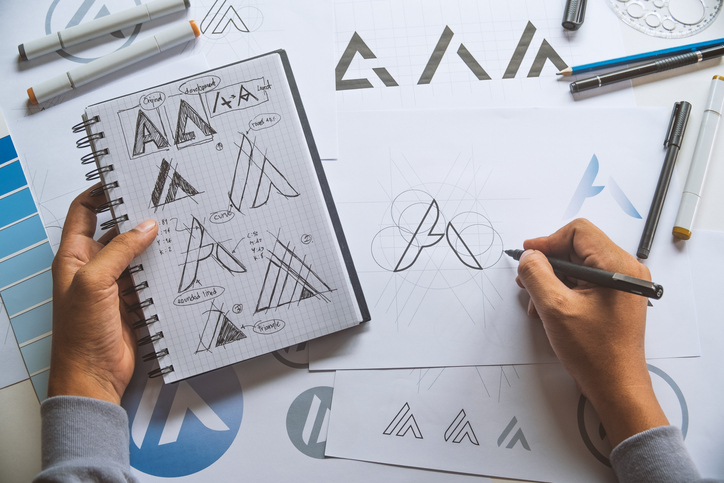
Hidden images in logos are deliberate design elements symbols or shapes tucked into negative space that represent a brand’s core values or services. These creative choices, like the FedEx arrow or the Amazon smile, act as powerful branding tools that increase memorability and connect with consumers on a subconscious level.
Many ads and logos have “hidden” images in their graphics. Some are intended to be funny, and some are just the creative results of a company’s graphic designer. While some people view these “hidden” images as “subliminal advertising,” (the use by advertisers of images and sounds to influence consumers’ responses without being conscious of it) most of the time, it is just a creative way to design ads or logos.
Images embedded in a company’s logo make for a great marketing tool. Sometimes brands and their logos can become so familiar that we don’t realize the real significance behind their design. In fact, every logo is concepted and designed based off a set of objectives that define the brand, which is how it becomes their hallmark.
Top companies, such as FedEx and Amazon, have ads that include “hidden images” in their brand logos. In between the ‘E’ and the ‘X’ in FedEx, is a white arrow that emphasizes the company’s ability to ship your package from point A to point B. The Amazon logo mimics this concept of shipping and movement with their logo’s orange arrow at the bottom forming a smile from ‘A’ to ‘Z.’
Companies like Tostitos and Le Tour de France have logos that contain images that directly correlate with their company’s purpose. The Tostitos logo has two people eating chips and salsa. The two ‘T’s in the middle are the people, while the dot of the ‘I’ is the salsa bowl. Take a close look at the Tour de France logo, and you’ll see that the ‘OUR’ and the orange circle make up an image of someone riding a bicycle.
Other companies, like Toblerone, have images within their logo to better tell the story of the company. Within the mountain on their logo, you can see a bear on its hind legs. How does the brand tell us more about their origin? Toblerone’s logo wants to take us to the Alps, the origin of their chocolate.
The Psychology of “The Reveal”
Let’s be honest: when you finally see the bear in the Toblerone mountain or the arrow in FedEx, it feels like you’re “in on a secret.” That tiny moment of realization creates a lasting bond between the customer and the brand. It’s not just about being fancy; it’s about making your brand sticky. In a world where we see thousands of ads a day, being the one that makes someone pause and look closer is a massive win.
How to Successfully Incorporate Hidden Meaning Into Your Brand Logo
Thinking about adding a “secret” to your own logo? It’s a great way to build brand authority, but you have to do it right. It shouldn’t feel forced. Here is a quick checklist of how we approach this at Miller:
- Identify Your Core Movement: What is the one thing your brand does? If you’re a delivery company, it’s “movement” (like the FedEx arrow). If you’re a tech brand, it might be “connectivity.” Start there.
- Master the Negative Space: The best hidden images live in the white space between letters or shapes. It’s about what you don’t draw.
- Don’t Overcomplicate: If people can’t find the hidden image even after you tell them where it is, the design is too busy. Keep it clean.
- Test the “Aha!” Moment: Show the logo to someone for 5 seconds. If they spot the hidden element and smile, you’ve won. If they’re confused, it’s back to the drawing board.
A great logo isn’t just a pretty picture; it’s a silent salesperson. If you’re struggling to find that hidden spark for your brand, it might be time to look at your [strategic logo design] from a fresh perspective.
Creative teams add these details on purpose to further explain and identify their brand. Each of these hidden messages within the images are ways to explain to consumers what that brand can offer you, as well as increase the “cleverness” of the company. Try to keep an eye out for details when looking at logos. You might be surprised by what you can find.
Frequently Asked Question
Why do brands put hidden messages in logos?
Brands use hidden messages to tell a deeper story, show their personality, and make the logo more memorable. It helps in building a clever and thoughtful brand identity.
Is hidden advertising in logos effective?
Yes. It creates a psychological connection with the viewer. Once a customer “finds” the hidden image, the brand becomes more recognizable and harder to forget.
How can I create a logo with a hidden meaning?
It starts with a clear brand strategy. Focus on your core service (like movement or growth) and work with a creative team to integrate those concepts using negative space.