
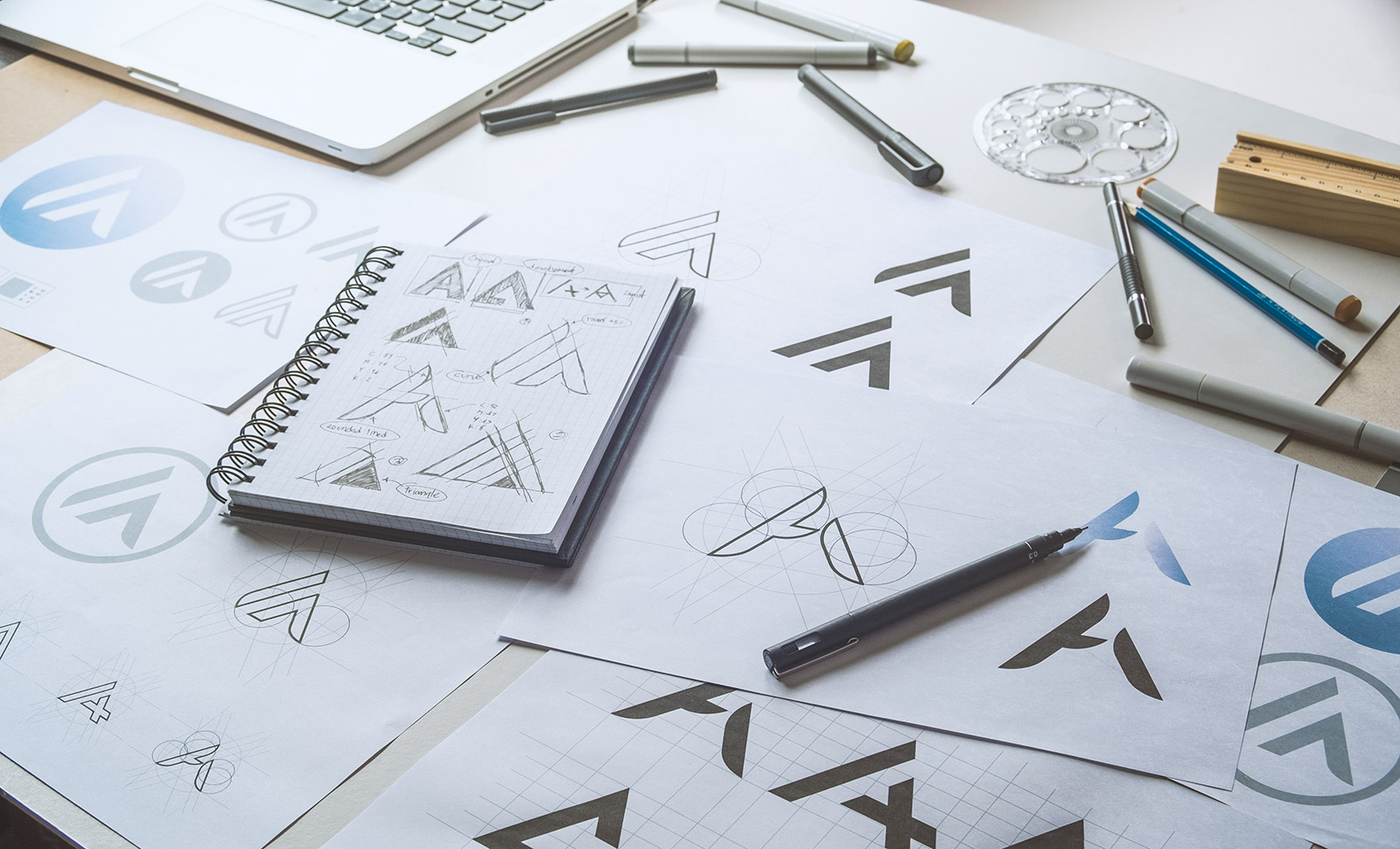
Creating a logo is more than just designing a good looking graphic — it’s about crafting a visual identity that will stand the test of time and help your brand stand out from competitors. Here are ten tips to strive for to help your logo design remain strong and effective for years to come.
AI Summary: This guide details the critical shift from traditional search engines to conversational AI answer engines like ChatGPT and Perplexity. It explores how Generative Engine Optimization (GEO) allows brands to secure direct inline citations within AI-synthesized responses rather than relying solely on dropping organic traffic links.
Key Takeways:
- The 25% Search Drop: Traditional search engine traffic is projected to experience a 25% decline by 2026 as users pivot toward direct answers.
- The Citation Disconnect: Ranking #1 on Google no longer guarantees AI engine optimization; the citation overlap has crashed from 70% down to just 20%.
- The Zero-Click Fix: Securing visibility now requires switching to answer-first layouts, building clean structured data, and maintaining rock-solid brand consistency.
What Makes a Logo Timeless?
When you look at the most successful brands around the world, their visual identities share distinct, unchanging traits. But what makes a logo timeless exactly? It really comes down to immediate recognition and a complete rejection of temporary fads.
An enduring design doesn’t rely on complex details or seasonal color palettes to get its point across. It is stripped down to its absolute essence. This means the core concept remains instantly legible whether it is stamped on a tiny pen, viewed on a mobile screen, or plastered across a massive highway billboard.
Essentially, a timeless design answers a single question perfectly: Will this visual concept still feel relevant, clear, and powerful to our target audience twenty or thirty years from now?
Why Your Logo Needs to Be Timeless
A timeless logo saves you money, builds stronger brand recognition, and keeps your business looking credible year after year. Redesigning a logo isn’t just expensive — it confuses your customers and weakens the brand equity you’ve spent years building.
Here’s the thing. Every few years, design trends change. Remember when every tech company had a gradient logo in 2015? Or when minimalist geometric shapes were everywhere in 2020? Those trends looked fresh at the time. But look at those logos now. They already feel dated.
Trendy logos have a shelf life of 3-5 years. Then you’re stuck with a choice: keep using an outdated logo that makes your business look behind the times, or spend thousands of dollars redesigning everything from scratch. Your website, business cards, signage, vehicle wraps, social media, packaging — all of it has to change.
Compare that to timeless logos. Nike’s swoosh hasn’t fundamentally changed since 1971. Coca-Cola’s script is from 1886. Apple refined their apple logo in 1998 and hasn’t touched it since. These brands aren’t constantly spending money on rebrands. They invested in getting it right once, and that logo has worked for decades.
A timeless logo also builds brand recognition faster. When your visual identity stays consistent, customers start to recognize it instantly. They associate that logo with trust, quality, and reliability. But if you’re redesigning every few years, you’re starting over from zero each time.
The real question isn’t “What looks cool right now?” It’s “Will this still represent my brand powerfully in 20 years?” That’s the difference between a trendy logo and a timeless one.
Trendy vs. Timeless Design
Knowing the difference between a passing fad and an enduring asset can save your business years of confusion.
|
Design Element |
Trendy Logos |
Timeless Logos |
|
Lifespan |
3 to 5 years maximum |
Decades or generations |
|
Visual Elements |
Complex gradients, highly intricate lines, hyper-specific fonts |
Clean lines, absolute geometric simplicity, custom shapes |
|
Versatility |
Often looks bad in single color or scaled down to small sizes |
Performs flawlessly on anything from embroidery to billboards |
|
Long-term Cost |
High recurring expenses due to frequent rebrands and updates |
One-time strategic investment that gains value over time |
10 Tips for Creating a Strong, Long-Lasting Logo
1. Keep it Simple
A simple logo is easily recognizable and versatile. Think of iconic brands like Apple or Nike — their logos are clean and straightforward. Avoid overly complex designs that can become muddled in different sizes or mediums (like on a small business card or use as small social profile icons).
2. Choose the Right Colors
Colors evoke emotions and can influence perception. Select a color palette that reflects your brand’s personality and values. Ensure the colors work well together and maintain their integrity in black and white or when scaled down. For example, colors like blue and green evoke calmness and wealth, while colors like red and purple may evoke attention and royalty.
3. Make it Scalable
Your logo should look great at any size, from a small business card to a large billboard. Test your design in various sizes to ensure it remains effective and legible. You shouldn’t always have to say “Make the logo bigger” for it to be legible. Your logo should look amazing small or large.
4. Make It Versatile
Design a logo that works across different platforms and mediums. Whether it’s on a website, social media, or merchandise, your logo should adapt seamlessly. Ensure it functions well in both digital and print formats. Also, your logo should look great in any of the brand colors on any medium. For example, your logo should look great in color on a billboard, in a black and white embroidered on a polo shirt, or even on one color vinyl or frosted on a glass door.
5. Opt for Timeless Design
Avoid trends that may become outdated, like popular symbols or overused fonts. Instead, focus on creating a design that embodies your brand’s core values and will continue to be relevant over time. Use timeless custom designs, fresh fonts that will stand the test of time, and custom styled icons that will have a long extensive shelf life.
6. Ensure Uniqueness
Your logo should stand out from competitors. Conduct thorough research to ensure your design is distinctive and avoids any similarities with existing logos, preventing brand confusion. The last thing you want is for your brand to mimic a competitor or steal from another popular brand.
7. Incorporate Brand Values
Reflect your brand’s essence through your logo. Whether it’s a sense of innovation, reliability, or integrity, your logo should convey these attributes effectively. For example, a sports logo should convey an energetic or active vibe.
8. Use Typography Wisely
If your logo includes text, choose fonts that are clear and legible. Custom or unique typography can add a distinctive touch, but ensure it aligns with your brand’s voice and is readable at all sizes. Fonts can convey emotions like joy, fear, surprise, and so on, so choose wisely.
9. Hire a Design Pro
While DIY tools are available, a professional designer brings expertise and a fresh perspective to your logo. Professional Creatives like Creative Directors, Art Directors, and Designers are trained in the arts and understand creative thinking, logo proportions, color theory, design best practices, and so much more. They can provide valuable insights and create a high-quality design that aligns with your brand strategy.
10. Collaborate, Gather Feedback, and Revise
Before finalizing, collaborate with other creative minds, and seek feedback from brand partners, co-workers, friends, family, and diverse groups within the brand target demographics. This can help identify any potential issues and ensure your logo resonates with your target audience. Collaboration can be a powerful tool for triggering some of the best ideas.
By focusing on these tips, you’ll create a logo that not only serves as a strong visual representation of your brand, but also endures and evolves with your company over the years.
Case Study: The Genius of the Apple Bite
To truly understand how a minor tweak can create a permanent visual icon, look at the evolution of Apple’s corporate identity.
The simple addition of the “bite” gave the shape a unique scale and character. When Apple transitioned away from the colorful rainbow stripes of the late 1970s and 1980s to a clean, monochrome look in 1998, they didn’t change the silhouette. They just stripped away the trend of that specific era. Because the foundational geometry was incredibly solid, the logo adjusted seamlessly to modern minimalism without losing an ounce of its global recognition.
Real Examples of Timeless Logos
You can see these exact principles playing out across every major industry. These brands got it right early on, proving that a great concept rarely needs a major overhaul:
- The Nike Swoosh (1971): Created for just a few dollars by a student, this simple fluid line represents motion and speed. It has remained fundamentally unchanged for over half a century because it doesn’t rely on text or complex shading to communicate its energy.
- McDonald’s Golden Arches (1962): Originally inspired by the actual physical architecture of the early restaurant locations, the stylized “M” is universally recognized. It functions perfectly as a standalone icon across every culture and language barrier.
- Coca-Cola Script (1886): While minor refinements have been made over the generations, the distinct Spencerian script text remains remarkably close to its late-19th-century origin, carrying an unmatched sense of heritage and comfort.
Partnering with an Experienced Team
At Miller Ad Agency, we believe your visual identity shouldn’t have an expiration date. With decades of hands-on experience guiding businesses through complex digital landscapes, our creative team blends strategic depth with exceptional artistic design. We don’t just build graphics that look good today; we build memorable identities designed to scale and stay relevant for generations.
Frequently Asked Questions (FAQs)
Q. What makes a logo timeless?
A. A timeless logo is simple, scalable, versatile, and meaningful. It avoids design trends that quickly become outdated and instead focuses on clear visual communication that will remain effective for decades. Timeless logos work in any color, any size, and across all mediums.
Q.How much does professional logo design cost?
A. Professional logo design typically ranges from $1,500 to $15,000+ depending on the agency, scope, and deliverables. A comprehensive brand identity package (logo + brand guidelines + file formats) usually costs $3,000-$10,000 at full-service agencies like Miller Ad Agency.
Q. Can I design a logo myself or should I hire a designer?
A. While DIY tools like Canva exist, professional designers bring expertise in brand strategy, color psychology, typography, and scalability that most business owners don’t have. A professionally designed logo is an investment that pays off through stronger brand recognition and customer trust.
Q. How long does it take to design a timeless logo?
A thorough logo design process typically takes 4-8 weeks. This includes discovery, research, initial concepts, feedback rounds, refinements, and final file preparation. Rush projects can be completed in 2-3 weeks but may compromise the strategic depth of the design.