
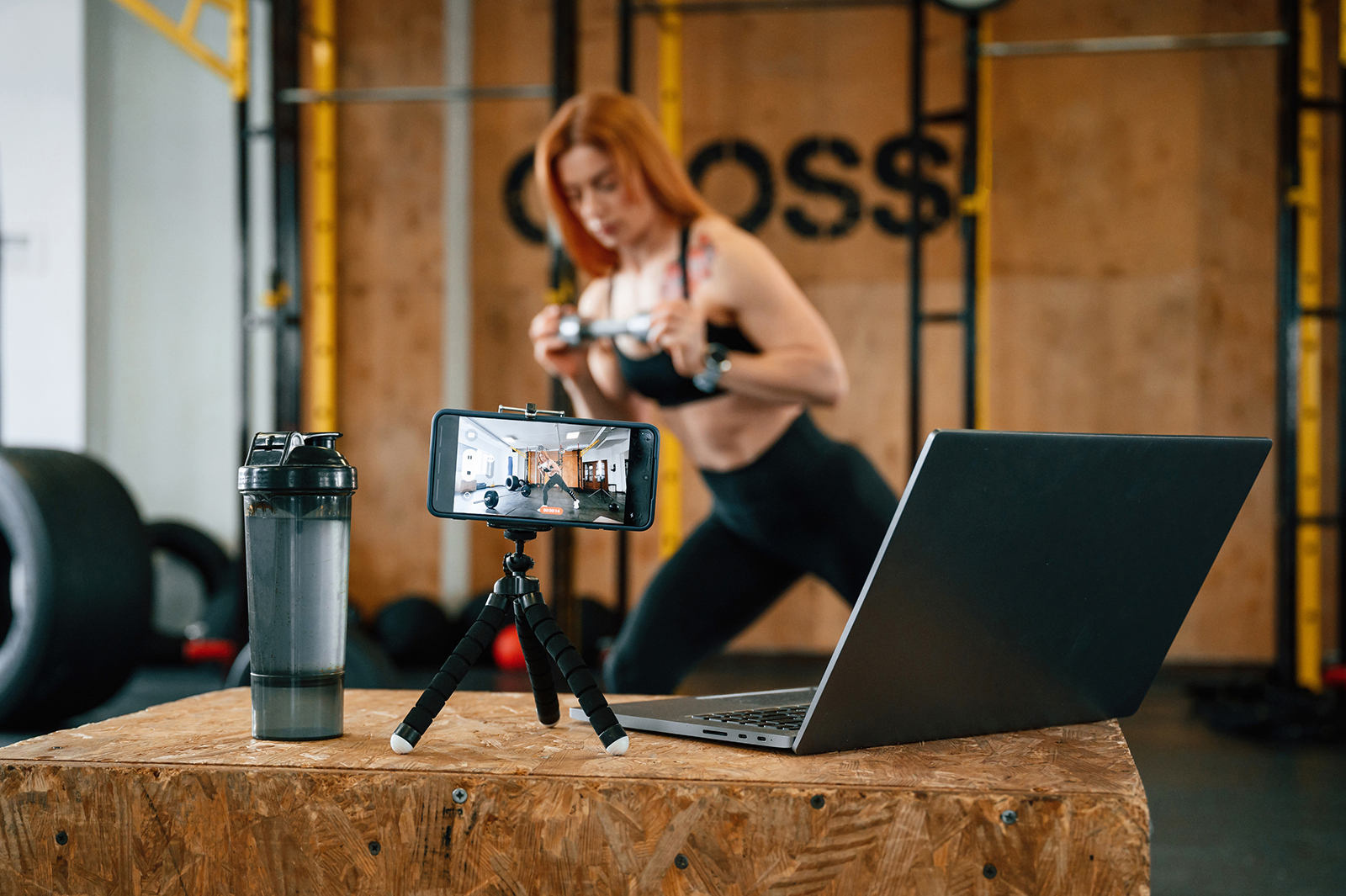
In today’s digital age, traditional advertising is taking a backseat as social media influencers are reshaping the way brands connect with consumers. This shift is especially prominent in the fitness industry, where influencers are not just brand ambassadors but also trusted sources of information and motivation. In this blog, we’ll explore how fitness influencers are revolutionizing digital advertising and why they matter.
How is fitness influencer marketing transforming digital advertising?
Fitness influencer marketing is transforming digital advertising by replacing traditional brand promotions with authentic, peer-to-peer recommendations. By partnering with targeted creators across micro and macro tiers, fitness brands can leverage deep community trust to drive higher engagement, lower customer acquisition costs, and scale trackable conversions through creator-led social commerce.
Key Takeaways
- Trust Over Traditional Ads: Consumers trust relatable creators as authentic peers rather than corporate advertising entities.
- Tiered Optimization Strategies: Micro and nano-influencers consistently yield the highest audience engagement rates for niche audiences.
- Scalable Creator-Led Commerce: Integrating conversion tools like custom discount tracking codes turns awareness into direct revenue.
- Lower Acquisition Costs: Strategic influencer partnerships lower customer acquisition costs (CAC) compared to hyper-competitive paid ad channels.
- High-Value Content Ingestion: Co-created workout challenges and transformation stories drive deep user engagement.
- Long-Term Authority Asset: Consistent creator alignment turns transactional promotions into long-term brand equity.
The Power of Influence
Authenticity and Trust
Consumers are increasingly skeptical of traditional ads. Fitness influencers, often perceived as relatable and genuine, create a sense of trust. Their followers view them as peers rather than just marketers, making endorsements feel more authentic. This connection leads to higher engagement rates and stronger brand loyalty.
Community Building
Influencers foster communities around shared interests in health, wellness, and fitness. This sense of belonging encourages followers to engage with both the influencer and the brands they promote. By partnering with influencers, brands can tap into these vibrant communities, amplifying their reach and impact.
Categorizing Tunnels of Reach: Types of Fitness Influencers
|
Influencer Tier Class |
Average Follower Footprint |
Primary Campaign Strength |
Ideal Marketing Objective |
|
Nano-Influencers |
1,000 – 10,000 followers |
Hyper-niche community trust and hyper-local target density |
Initial community proof and high-conversion micro-testing |
|
Micro-Influencers |
10,000 – 100,000 followers |
Exceptionally high audience engagement percentages |
Cost-effective fitness influencer marketing scaling and localized conversion velocity |
|
Macro-Influencers |
100,000 – 1,000,000 followers |
Massive brand visibility across broad audience demographics |
Rapid market penetration and high-volume influencer advertising reach |
|
Celebrity Influencers |
1,000,000+ followers |
Immediate mass cultural buzz and mainstream authority signals |
Institutional broad-scale brand validation and global exposure campaigns |
Strategies for Brands
Choosing the Right Influencer
Brands should align with influencers whose values resonate with their own. This ensures that the partnership feels natural and genuine to the audience. A well-matched influencer can effectively communicate a brand’s message and enhance its credibility.
Creating Engaging Content
Collaborations should go beyond simple product placements. Brands can work with influencers to create compelling content—think workout challenges, nutrition tips, or transformation stories—that resonates with the audience and encourages interaction.
Leveraging User-Generated Content
Encouraging influencers to share their experiences with a product can inspire their followers to do the same. This user-generated content serves as authentic testimonials that can significantly enhance brand visibility and trust.
Conversion Pro-Tip: The Miller Ad Agency Framework
In our media planning overhauls for health and wellness groups, we consistently see brands burn significant ad dollars by prioritizing massive follower metrics over true target audience demographic alignment. A celebrity shout-out can build brief brand awareness, but true sustainability is built by stacking micro-influencer partnerships inside a structured affiliate conversion framework. Before you sign a creator contract, ensure your tracking stack is configured to capture the full conversion funnel. Repurposing raw creator video assets straight into your paid channels is the absolute fastest way to drop your acquisition costs and maximize your ad spend efficiency.”
If you are ready to modernize your brand’s presence, schedule a comprehensive consultation with our media planning specialists today.
Measuring Success
Engagement Metrics
Track likes, shares, and comments to assess the effectiveness of influencer campaigns. High engagement rates often indicate that the content resonates with the audience.
Conversion Rates
Monitor how many followers convert into customers. Unique discount codes or affiliate links can help brands evaluate the direct impact of influencer partnerships on sales.
Brand Sentiment
Analyze comments and feedback to gauge overall brand sentiment. Positive engagement can signal that the partnership is successful and that the brand is resonating with the target audience.
Conclusion
The integration of influencers into digital advertising strategies has transformed the fitness landscape. By harnessing the power of authentic connections, brands can effectively reach their target audiences in a meaningful way. As the fitness world continues to evolve, embracing influencer partnerships will be crucial for brands looking to stay relevant and competitive. Whether you’re a fitness brand or an influencer, understanding this dynamic can help you thrive in an increasingly digital marketplace.
Frequently Asked Questions
Why are fitness influencers highly effective in digital advertising?
Fitness creators build deep trust by sharing their transparent, day-to-day wellness journeys. This peer-to-peer authenticity makes their product recommendations feel natural, driving significantly higher engagement than standard display ads.
What is the difference between a micro-influencer and a macro-influencer?
Micro-influencers host highly targeted communities of 1,000 to 100,000 followers, showing excellent conversion metrics. Macro-influencers manage audiences up to a million, offering massive broad-market brand awareness.
How do brands accurately track the ROI of an influencer partnership?
Brands utilize unique affiliate tracking links, custom promotional checkout codes, and dedicated landing page funnels within their analytics suite to isolate exact conversions and measure target revenue performance.
What is user-generated content (UGC) in fitness marketing?
UGC consists of organic videos, reviews, and transformation stories shared directly by consumers or creators. It serves as social proof that significantly elevates brand trust and conversion potential.
How should a brand choose the ideal fitness influencer partner?
Brands should evaluate metric vectors beyond simple follower counts. Prioritize audience demographic alignment, historical engagement percentages, and authentic brand value synergy to ensure the partnership feels real.