
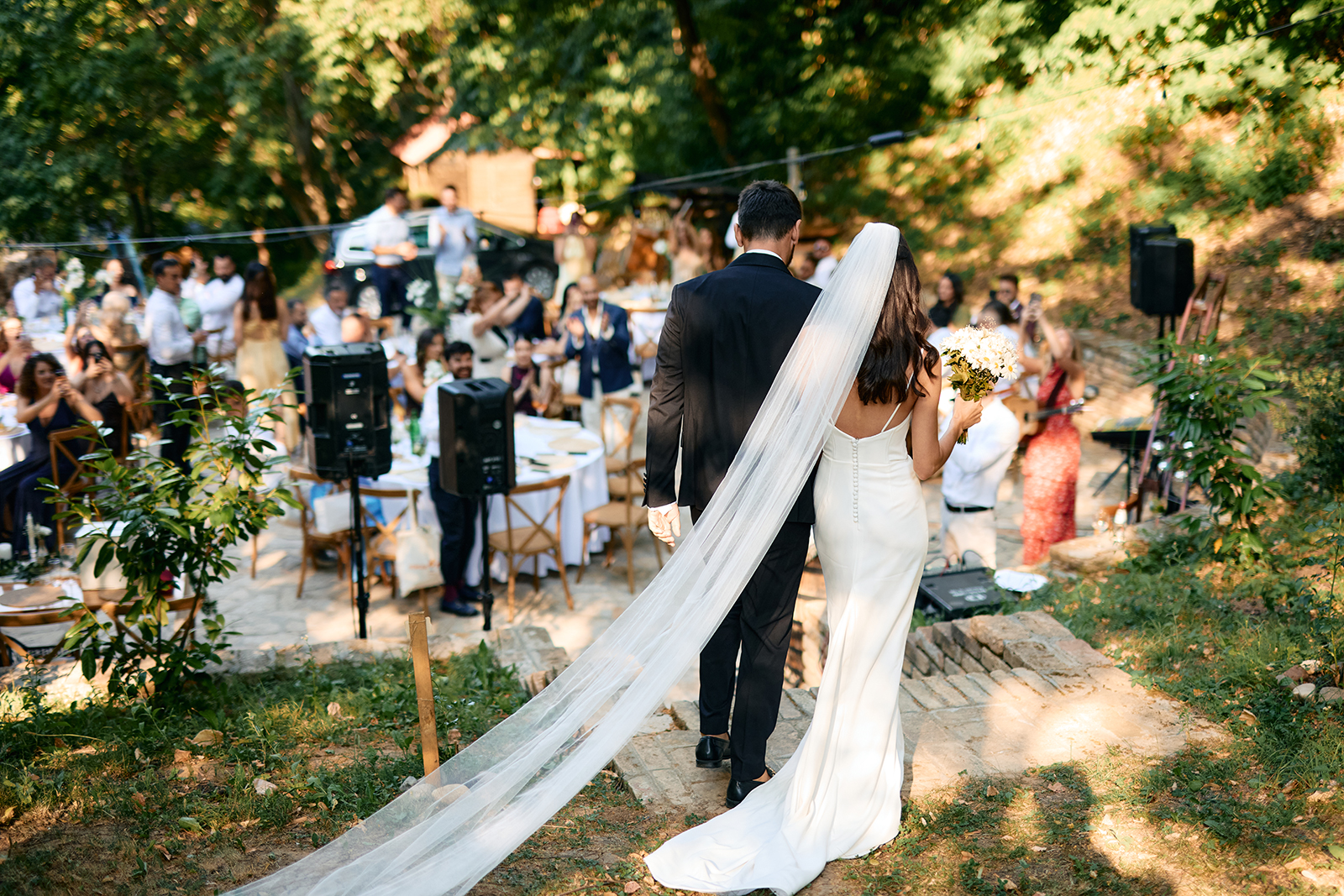
Planning a wedding is supposed to be one of life’s most exciting experiences. It’s also a crash course in consumer behavior, brand perception, sales tactics, and customer service. Somewhere between finding the perfect venue, scrolling through thousands of Pinterest boards, and waiting weeks (or sometimes months) for a vendor to return an email, you start to realize just how much marketing goes into making the wedding industry tick.
As someone who works in marketing and recently experienced the wedding-planning process firsthand, I found myself looking at more than just flowers, photography, and pretty venues. I was paying attention to how businesses presented themselves, how they attracted customers, how they communicated, and ultimately, what made me want to spend my money with them.
And it turns out, the wedding industry has quite a few marketing lessons worth paying attention to.
The Wedding Tax: Selling the Occasion, Not Just the Service
Let’s start with something almost every engaged couple has heard about: the infamous wedding tax.
There’s a running joke that mentioning the word “wedding” can suddenly make an otherwise ordinary service more expensive. While wedding-specific pricing can reflect additional labor, coordination, staffing, insurance, and expectations, it doesn’t always stop consumers from questioning what they’re actually paying for.
I experienced this firsthand when exploring the idea of renting a large mansion for a smaller, more intimate wedding. I had heard stories of people using terms like “family reunion” or “vow renewal” when contacting rental properties to avoid potentially higher wedding-related pricing.
Whether those tactics actually work is another story, but the fact that consumers even consider them says something about how pricing is perceived in the wedding industry.
From a marketing standpoint, this comes down to perceived value and price transparency. Consumers are often willing to pay more when they understand what they’re getting in return. But when pricing feels arbitrary or lacks explanation, even a beautiful service can leave a bad impression.
The lesson? Don’t just tell customers what something costs. Show them why it’s worth it.
The Social Media Rabbit Hole: Where Inspiration Becomes a Sales Opportunity
If there’s one industry that understands the power of visual marketing, it’s weddings.
Pinterest, Instagram, TikTok, and Facebook have practically become digital wedding showrooms. Couples can spend hours browsing floral arrangements, venue transformations, photography portfolios, and reception designs before ever contacting a vendor.
According to Zola’s 2026 First Look Report, 77% of couples use Pinterest for wedding inspiration, while half now find inspiration through TikTok. Even more interesting, 87% say they’ve made wedding-planning decisions based on something they’ve seen on social media.
My own vendor search followed a similar path. I used Zola to organize my planning, while Instagram, TikTok, and Facebook constantly introduced me to new businesses through their algorithms. I also spent approximately two years attending wedding vendor gatherings around Dallas, looking for more niche businesses beyond the vendors repeatedly appearing in my social feeds.
Some of my vendors were people I already knew, including my florist, photographer, and makeup artist. Others, like my videographer and venue, were discoveries made through those in-person gatherings.
This is a great example of omnichannel marketing in action. Customers rarely follow one straight path from seeing an advertisement to making a purchase. They might discover a business on Instagram, research its website through Google, read reviews, attend an event, and eventually make a decision after a personal recommendation.
For businesses, this means showing up consistently across multiple platforms matters. Social media might generate the initial interest, but other touchpoints help turn that interest into an actual customer.
Beautiful Instagram, But What About Your Website?
Here’s where my graphic design background really kicked in.
When evaluating potential vendors, I paid close attention to their branding, social media content, websites, and overall presentation. Some businesses had beautiful Instagram accounts but surprisingly underwhelming websites. Others didn’t have a website at all.
That doesn’t automatically mean a business isn’t talented. In fact, I made a point to explore all of a vendor’s social accounts before ruling them out. Someone might not be particularly skilled at website development but could have an incredible video portfolio or a social media presence that showcases their creative abilities.
However, when you’re hiring someone to handle the visual details of your wedding, presentation matters. If a business is selling creativity, its own marketing becomes part of its portfolio.
Think about it: If you’re hiring a photographer, videographer, florist, or event designer, you’re trusting that person to understand aesthetics, details, and execution. Their branding and digital presence help establish whether they can deliver the quality you’re looking for.
This is where brand consistency becomes important. Your website, social media, portfolio, and advertising don’t necessarily have to look identical, but they should communicate the same level of professionalism and quality.
A beautiful Instagram grid might get someone interested, but the rest of your digital presence needs to support that first impression.
The Six-Month Ghost: Marketing Doesn’t Stop When the Lead Comes In
Here’s one of the biggest lessons I took away from wedding planning: Getting someone’s attention is only half the battle.
I had several venues I genuinely wanted to get married at, but some took six to eight months to respond to my initial inquiries. By the time I finally heard back, I had already found and booked another location.
Then there was the situation with a draping vendor.
I had found a vendor I liked and wanted to work with, but after selecting my venue, I was informed that they had a preferred vendor for those services. No problem, right? Except that vendor never responded after two attempts to reach them. There was no phone number listed on their website, and the venue couldn’t provide one either.
When I questioned the venue about the lack of communication, I was told that the vendor was normally very responsive and that the situation was unusual.
Unfortunately, the explanation didn’t solve the problem. I ultimately had to give up some of the details I originally envisioned for my wedding because of roadblocks like this.
From a marketing perspective, this is a perfect example of what happens when lead management and customer experience fall short.
Businesses invest time and money into advertising, social media, search engine optimization, and lead generation to get potential customers interested. But what happens when those customers finally reach out?
A 2026 study by Hermetic AI examined 807 private-event inquiries submitted to 734 hospitality locations. Nineteen percent never received a response from a person, while the median wait for a human response among answered inquiries was 23.6 hours.
While this study covered private-event venues beyond weddings, it highlights a problem that extends across service-based industries.
A website inquiry isn’t just another notification sitting in an inbox. It’s a potential customer actively expressing interest in your business.
This is why response times, organized lead management, automated confirmations, and clear contact information matter. A CRM system, consistent follow-up process, and designated person responsible for inquiries can make a significant difference.
Because no matter how impressive your advertising is, a customer can’t hire you if they can’t get ahold of you.
The Little Things That Make Customers Come Back
Not every wedding vendor experience was complicated. In fact, one of the simplest and most effective customer experiences I encountered came from a furniture and décor rental vendor.
Their website remembered my previous activity and kept the items I’d saved in my shopping cart, even when I left the site and returned much later. It sounds like a small detail, but it made the entire browsing and planning process significantly easier.
From a marketing perspective, this is a great example of website personalization and customer experience working together. Features like persistent shopping carts, saved favorites, and personalized browsing help reduce friction in the purchasing process. They also give customers a reason to return without having to start their search all over again.
Wedding planning involves hundreds of little decisions, and remembering every item you’ve considered isn’t exactly easy. Having a website do some of that work for you makes a difference.
The takeaway for businesses? Sometimes the best marketing strategy isn’t another advertisement or promotional offer. It’s making the experience so convenient that customers naturally want to come back.
The Art of the Upsell: Making the Dream a Little Bigger
Wedding planning also introduces consumers to an entirely new world of packages, upgrades, and add-ons.
From extended photography coverage and premium floral arrangements to upgraded lighting, custom décor, and elaborate reception installations, there’s almost always another way to enhance the experience.
I personally didn’t encounter much of the upselling pressure. I designed my own wedding paper products, and when it came to the larger expenses, I generally knew what I wanted and understood the value behind those decisions.
But the broader marketing strategy is worth discussing.
Upselling isn’t necessarily about convincing someone to buy something they don’t need. Done well, it’s about showing customers additional ways to get more value from a service they’re already interested in purchasing.
The difference comes down to how those upgrades are presented. Are businesses explaining the benefits of additional services, or simply making customers feel like their original package isn’t enough?
For marketers, the takeaway is that customers are more receptive to upgrades when they understand the value behind them. A well-presented premium option should feel like an opportunity, not an obligation.
Great Branding Gets You in the Door. The Right Fit Gets You the Sale.
One final thing I noticed throughout my search was how much good branding could influence my initial interest in a business.
There were vendors whose websites, portfolios, and overall marketing were so impressive that I immediately wanted to learn more about their services. Their branding did exactly what it was supposed to do: capture my attention and make me interested.
But interest doesn’t always equal conversion.
Pricing, location, availability, and convenience ultimately influenced many of my decisions. Some of the vendors I initially loved weren’t the right fit for my budget or location, so I ended up choosing more local businesses.
This is an important distinction in marketing. A company can have incredible branding, beautiful creative, and a strong social media presence, but that doesn’t guarantee every interested customer will become a paying client.
Successful marketing isn’t just about attracting attention. It’s about attracting the right audience.
Understanding your target market, communicating your value, and making sure your services align with your customers’ needs are all essential parts of turning interest into business.
Happily Ever After Starts With Good Marketing
Planning a wedding gave me a completely different perspective on what it means to be a consumer. I went into the process looking for vendors who could help bring my vision to life, but along the way, I found myself evaluating their marketing, branding, communication, and customer experience just as much as their actual services.
The wedding industry is a great reminder that marketing doesn’t exist in a vacuum. A beautiful advertisement can create interest, a strong brand can build trust, and a well-designed website can encourage someone to take the next step. But it’s the experience that follows that ultimately determines whether a customer feels good about choosing your business.
And that lesson applies to just about every industry.
You can have the best-looking website, the most impressive portfolio, and the most creative advertising campaign in the world. But if your customers can’t get a response, understand your pricing, or feel confident in their decision, even the happiest occasion can turn into a missed opportunity.
Because in marketing, just like wedding planning, the details matter. And nobody wants to be left at the altar.
Thanks for checking out our blog—we hope you found it helpful! To learn more about our agency services, give us a call at 972.243.2211 or contact us today to start the conversation.