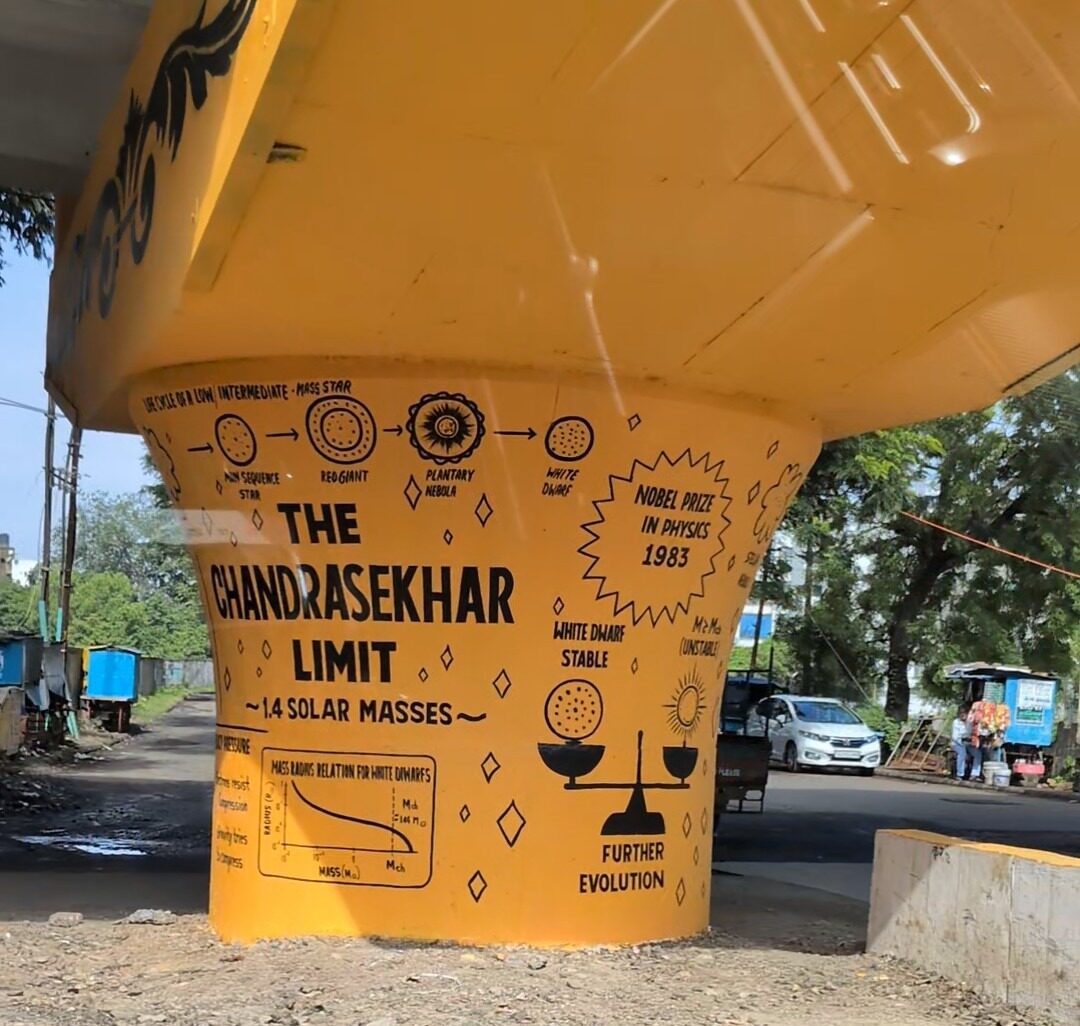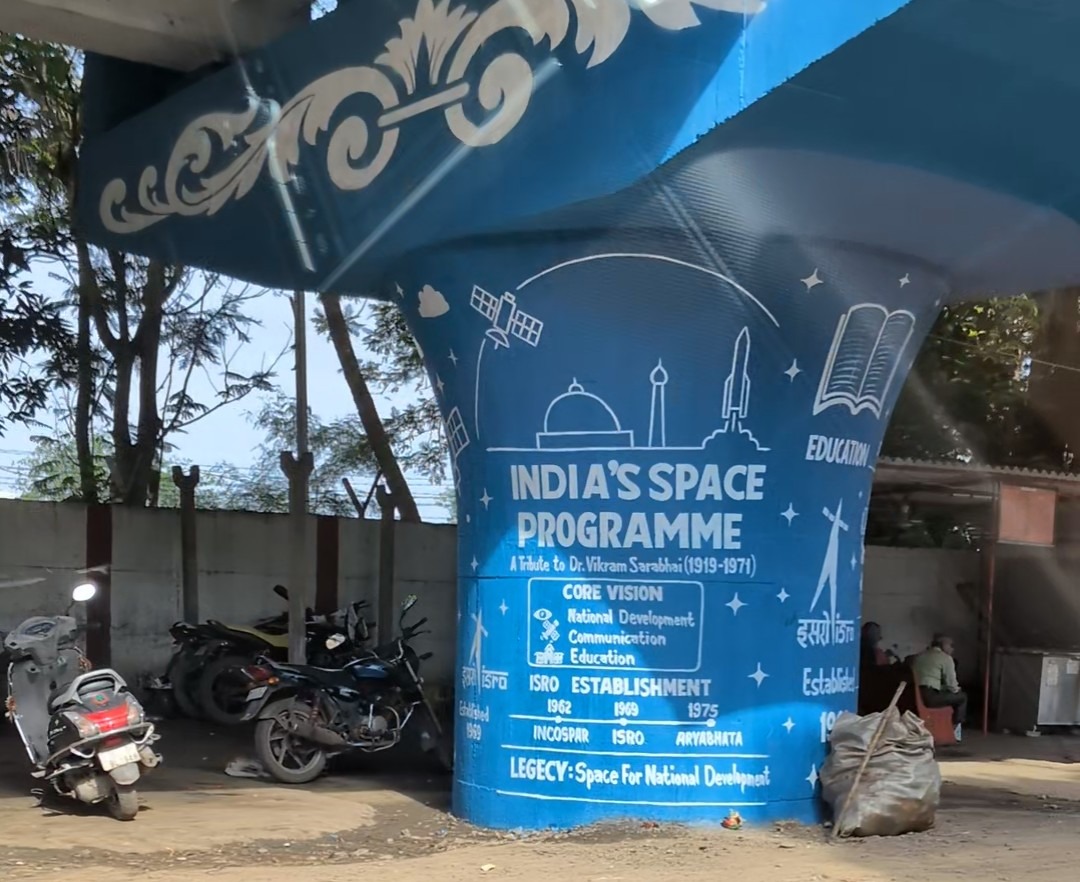
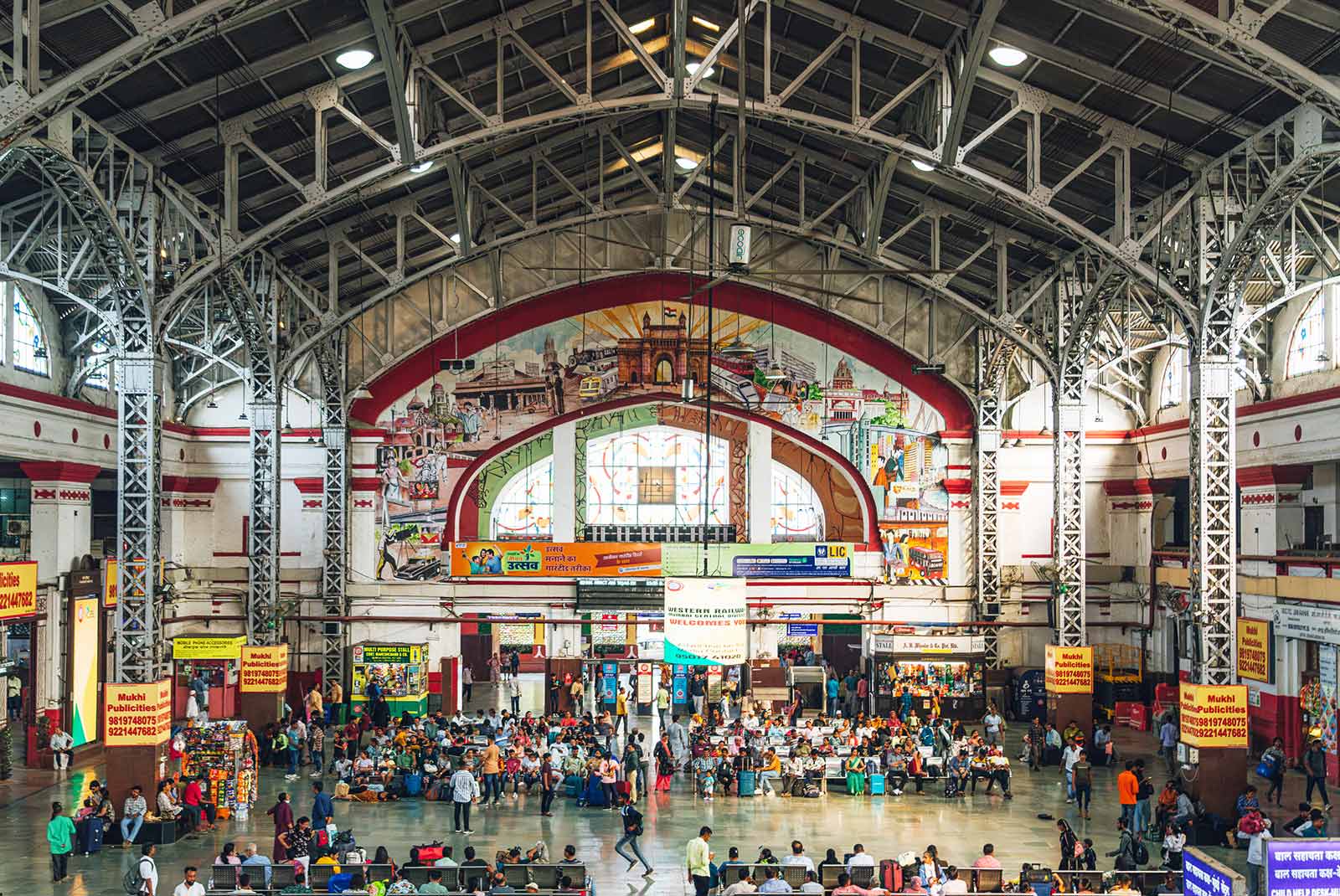
In an increasingly digital world, advertising is often associated with social media campaigns, targeted online ads, and sophisticated marketing technology. Yet, across India, some of the most distinctive forms of advertising still rely on something much simpler: the human hand. From hand-painted shop signs and colorful wall murals to hand-lettered promotional boards and street-side advertisements, traditional advertising remains an important part of the country’s visual identity.
India’s streets tell a story that digital screens cannot fully replicate. Walk through a busy marketplace, a small town, or a neighborhood in a major city, and you may encounter advertisements painted directly onto walls, storefronts, and roadside structures. These signs often promote local businesses, consumer products, political campaigns, films, and community events. Each piece reflects the surroundings in which it was created, making the advertising feel closely connected to the people it is intended to reach.
A Craft Built on Skill and Experience
Hand-painted advertising is more than a practical way to promote a product or service. It is a craft that requires patience, precision, and years of experience. Artists work with brushes, paint, stencils, and carefully planned lettering to create advertisements that are both functional and visually appealing.
Unlike digitally produced graphics, these advertisements are often created directly on the surfaces where they will be displayed. Artists must account for uneven walls, weather conditions, visibility, and the surrounding environment. The result is advertising that feels authentic, personal, and distinctly local.
For many sign painters, this work represents a skill passed down through generations. Their knowledge of color, composition, lettering, and spacing has helped shape the appearance of Indian streets for decades.
Why Traditional Advertising Still Matters
Despite the rapid growth of digital marketing, hand-painted advertising continues to offer several advantages. It can be particularly effective for businesses targeting local communities, where visibility and familiarity play an important role in purchasing decisions.
A painted sign outside a neighborhood shop or a mural along a busy road can reach people throughout their daily routines without requiring an internet connection or a digital device. In areas where traditional media remains influential, these advertisements provide a direct and accessible way for businesses to communicate with potential customers.
While digital advertisements compete for attention on crowded screens, a well-positioned painted advertisement becomes part of the physical environment. Its presence can create familiarity over time, helping a business or brand remain recognizable to the surrounding community.
Tradition Meets Modern Marketing
Hand-painted advertising is not simply a reminder of the past. It demonstrates how creativity and resourcefulness can remain relevant even as marketing technology evolves. Some brands have embraced traditional Indian sign painting for its distinctive aesthetic, using it to create campaigns that feel culturally grounded and visually memorable.
This renewed appreciation also highlights the importance of preserving the artists and techniques behind the work. As digital production becomes more accessible, supporting traditional sign painters helps sustain a valuable creative profession.
Looking Ahead
Advertising in India reflects a balance between innovation and tradition. Digital platforms continue to transform how businesses reach consumers, but hand-painted advertisements demonstrate that effective communication does not always depend on the latest technology.
Sometimes, a brush, a steady hand, and a deep understanding of the local community are enough to make a lasting impression. In a world increasingly shaped by automation, the human touch remains one of advertising’s most enduring strengths.