
In March of this year, the Federal Trade Commission (FTC) put auto dealers on notice, sending 97 letters of violation to dealers that were not following new FTC advertising guidelines. The guidelines were put in place to level the field for consumers, to allow every consumer to shop and compare prices across the board on new vehicles. The shift to the advertising landscape has been tectonic in nature. Let’s try to understand why.
When I was a kid, I’d go car shopping with my father. A scientist by trade, I am quite sure now that my father was a nightmare car shopper. He would begin the shopping process 6 months out, driving every car that piqued his interest before eventually making an impulse purchase from a sales person he liked. There’s a lesson there, but I digress. What stood out to me was what my dad always said about the advertised prices on cars: that more often than not, the price was meant to be a “bait and switch” meaning a price was advertsed that was too good to be true, simply to draw people in and then work the sales process from there. That was in the late 1970s/early 1980s.
Fast forward to the 1990s and I find myself selling cars while in college to make some extra money. The dealer I worked for was what I’d still consider, “one of the good guys”. We were in a smallish town (Waco, Texas) and almost daily, we’d be confronted with ads from the Dallas Morning News and the Austin Statesman, beckoning the fine people of Waco to drive to Dallas and save thousands over what we could reasonably sell a new vehicle for. Sometimes people would make the drive, only to find out that the advertised price wasn’t available. Sometimes is was the devious AC-delete game that was played back in the early 90s…while most cars had factory AC, you could order a unit without it for the oddball that wanted a stripped truck, or for the purposes of an ad unit. Bait and switch was alive and well.
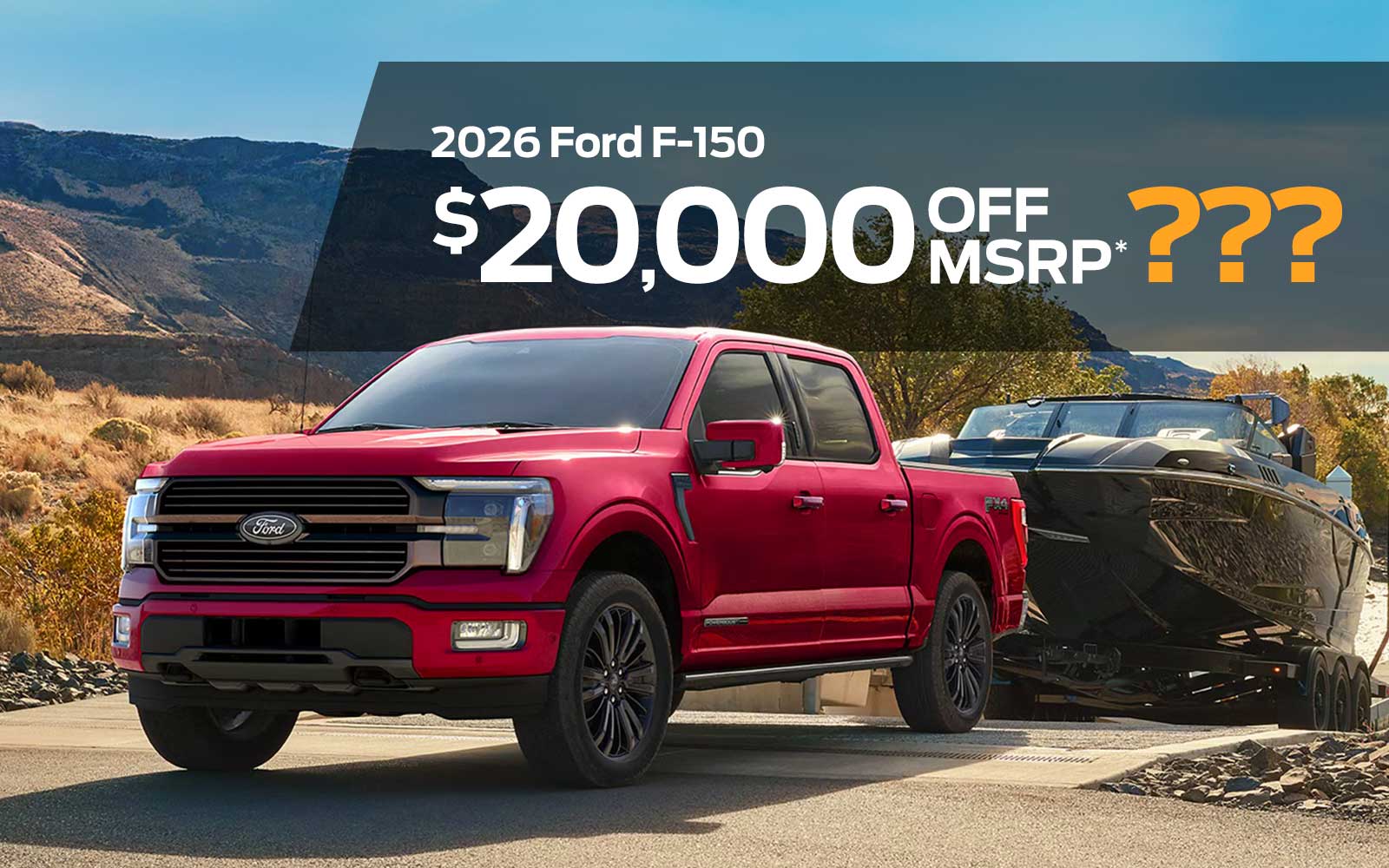
Fast forward again to the 2000s and up until this spring…the game was still being played, with a few new variables. Conditional rebates were a big part of advertising a deceptively low price for decades. You’d see a price on a new truck, only to find out that you had to be active military and a college grad, and a nursing student, and a first responder, and a current Ford owner to get all the rebates to buy the vehicle at the advertised price. The actual, legitimate transaction price was thousands more. Another tried and true trick was to offer a GIANT discount, like $20,000 a new F-150 only to find out that the $20,000 discount was from an inflated MSRP that included spurious protection packages, accessories, tint, nitrogen tires, and myria other semi-worthless products. If a car is marked up 20k and you save 20k, did you really save at all?
Consumers were at a dramatic disadvantage until this March when rules structures at the Federal level, followed in lock steps by State Motor Vehicle Commissions, cleared the deck of most of this pricing mystery. All advertised prices were required to be available to everyone so the use of conditional rebates was squashed. Advertised discounts were required to come from Factory MSRP, not an inflated number. Finally, all dealer fees, like the common “Doc” fee for the registration process, had to be included in the advertised price as well. All the chicanery is coming to and end, largely because violating the advertising covenants can cost a dealer thousands in fines, per day, per occurrence. If anybody is rolling the dice in this environment, I can’t find them.
So now consumers can see an advertised price, and feel much more certain that they can do comparisons against that price and eventually transact at that price. While this is an undeniable benefit to the consumer, retailers are grappling hard to navigate this new world order, especially with respect to advertising. The truth that has always been, is now fully exposed to the public- all dealers buy their cars from the same factory, at the same price. For as long as I have been around the car business, the old saying has rung true: Price sells cars.
But does it still? With full transparency comes price compression, meaning the range of sale price and or discount will tighten as all dealers are working from a unified MSRP and a fixed net cost of inventory. Price will be less of a differentiator as the range of pricing reality shrinks. Everybody sort of knows the score. So if price will no longer sell cars, so to speak- what will?
(By the way, if you have not already, apply this to almost any or product or industry that is regulated by the heavy thumb of our government)
Your brand, you real reputation and your visibility will be drivers of future success in the auto industry. In the next installment, we’ll break down those three drivers in detail.
Thanks for checking out our blog—we hope you found it helpful! To learn more about our agency services, give us a call at 972.243.2211 or contact us today to start the conversation.