
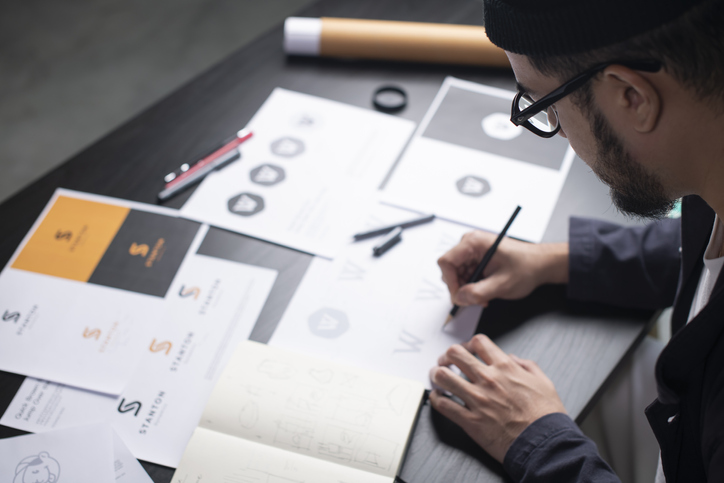
Design Snapshot: Creating a good logo design requires a strategic balance of aesthetics and functionality. The core logo design essentials focus on a simple logo design that ensures immediate brand recognition, paired with a unique logo design that stands out from competitors. By masterfully blending foundational logo design elements such as color psychology, versatility across print or digital mediums, and a timeless appeal brands can establish an effective logo design that fosters long-term consumer trust.
In today’s fast-paced and highly competitive business world, a logo plays a vital role in shaping a brand’s identity and leaving a lasting impression on its target audience. A well-designed logo can be
the visual representation of a company’s values, mission, and personality. It serves as the foundation of a brand’s visual communication and is often the first point of contact for potential customers. But what exactly makes a really good logo design? Let’s explore the key elements that contribute to
an effective and memorable logo.
Quick Reference: What Makes an Effective Logo Design?
| Core Element | Branding Purpose | 2026 Digital Application |
| Simplicity | Fast Brand Recognition | Scalable for Mobile App Icons & Favicons |
| Uniqueness | Competitor Differentiation | Trademark Safety & Standout Social Media Presence |
| Versatility | Multi-Platform Performance | Looks Perfect in Black & White or High-Res Video |
| Relevance | Emotional Connection | Aligns with Core Audience Values & Industry Tone |
Keep it Simple
One of the fundamental principles of good logo design is simplicity. A simple logo is easily recognizable, memorable, and versatile. It can be scaled down to fit on small business cards or enlarged for
billboards without losing its essence. A cluttered or overly complex logo can be confusing and fail to convey the intended message. Think of some of the most iconic logos like Apple, Nike, or McDonald’s— all of them are simple yet instantly recognizable.
Make it Unique
A good logo design should be distinctive and stand out from competitors. It should be able to set the brand apart and create a sense of individuality. Copying or imitating other logos not only lacks originality but can also lead to legal issues. A unique logo helps build brand recognition and fosters a strong brand identity, helping customers differentiate between various companies in the market.
Make it Memorable
A memorable logo is one that leaves a lasting impression on viewers. It should be visually appealing, making it easier for people to recall the brand when they see it again. Memorable logos often have a clever use of shapes, colors, or symbolism that resonate with the audience. The more memorable the logo, the higher the chances of brand recall, which is essential for brand loyalty and customer retention.
Keep it Relevant to the Brand
A good logo design should be relevant to the brand it represents. It should reflect the company’s core values, products, or services. For instance, a logo for a tech company may have a modern
and futuristic design, while a logo for an organic food brand may incorporate natural elements and earthy tones. A relevant logo establishes a connection between the brand and its target audience, evoking the right emotions and perceptions.
Make it Timeless
While trends come and go, a good logo design stands the test of time. It avoids incorporating elements that might become outdated quickly. A timeless logo can endure for decades, maintaining its
relevance and effectiveness. A redesign can be costly and confusing for consumers, so aiming for a timeless logo from the start is a smart long-term strategy.
Aim for Versatility
Versatility is a crucial aspect of logo design, especially in today’s multi-platform world. A logo should look equally impressive on different mediums, such as websites, social media, business
cards, merchandise, and even on billboards. It should retain its impact whether in color or black and white, small or large. A versatile logo ensures consistent branding across various touchpoints.
Choose Your Colors Wisely
Colors evoke emotions and associations, and using them effectively is vital for logo design. Understanding color psychology can help create the right mood or message for the brand. For instance, blue is often associated with trust and reliability, while red can convey energy and excitement. However, it’s essential to strike a balance and not overwhelm the design with too many colors.
Modern Branding: The Rise of Responsive Logo Design Elements
In today’s multi-screen world, the definition of an effective logo design has shifted. At Miller Ad Agency, we don’t just design static symbols; we build responsive identity systems. A logo that looks stunning on a giant billboard must also remain perfectly legible as a tiny 16×16 pixel favicon on a smartphone screen.
This is why mastering logo design essentials now involves creating scalable variations. A primary logo might include full brand typography, while its responsive counterpart drops the text entirely, relying solely on a simple logo design mark to maintain instant brand recall across social media profiles and digital ads.
Conclusion: Building a Lasting Impression
A good logo design is a blend of simplicity, uniqueness, memorability, relevance, timelessness, versatility, and appropriate use of color. It is the visual embodiment of a brand’s identity and values, leaving a lasting impression on consumers’ minds. Creating an effective logo requires careful thought, creativity, and an understanding of the target audience. Investing in a well-designed logo is a crucial step towards building a successful and recognizable brand that stands out in the competitive
market. Remember, a great logo isn’t just about looks; it’s about communicating the essence of the brand in a single, powerful symbol.
Get in touch with Miller Ad Agency today to craft your next logo, and together, we’ll propel your brand to new heights.
Frequently Asked Questions
What are the most critical logo design elements?
The most critical elements include simplicity, memorability, uniqueness, versatility, relevance, and timelessness. Together, these form the foundation of any good logo design.
Why is a simple logo design preferred over a complex one?
A simple logo design ensures that the mark is easily recognizable at a glance, highly memorable for consumers, and versatile enough to be scaled to any size without losing its clear definition.
How does color psychology impact an effective logo design?
Colors trigger immediate psychological responses. For example, blue communicates trust and security, while red indicates energy. Choosing the right palette helps your unique logo design connect emotionally with your target audience.
How often should a brand update its logo design essentials?
If a logo is truly timeless, it should rarely need a complete overhaul. However, subtle modern tweaks or adapting it into a responsive format every few years helps keep the branding fresh without losing consumer trust.