
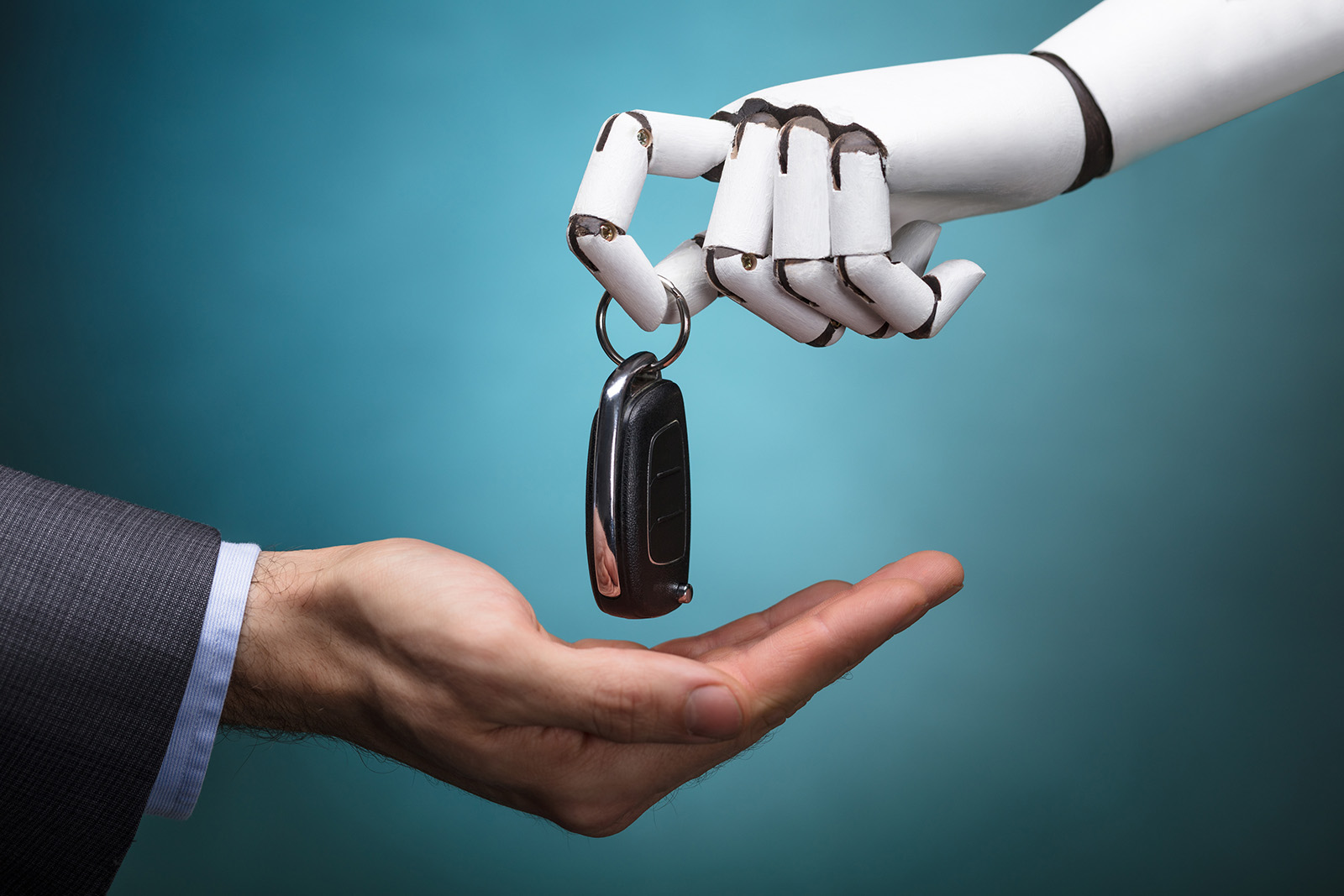
Artificial intelligence (AI) is transforming the automotive retail landscape. Forward-thinking car dealerships are rapidly adopting AI technologies to optimize Tier 3 hyper-local marketing, automate complex BDC sales pipelines, and streamline fixed operations. While the competitive advantages are undeniable, integrating these sophisticated software ecosystems presents unique operational hurdles. Here is an actionable breakdown of how AI is rewriting the automotive playbook and how dealerships can safely navigate the implementation process.
Quick Answer: Artificial Intelligence transforms car dealerships by automating data-driven marketing, personalizing customer communication, streamlining sales pipelines via predictive lead scoring, and providing 24/7 customer support. When integrated into dealership CRMs and Dealer Management Systems (DMS), AI lowers customer acquisition costs, accelerates inventory turn rates, and boosts fixed operations revenue.
Key Takeaways
- Hyper-Personalization: AI matches buyer profiles with specific inventory via localized, Tier 3 dynamic ads, maximizing ad spend efficiency.
- Automated Lead Scoring: Advanced CRM algorithms isolate high-intent car buyers, ensuring sales teams focus heavily on active in-market leads.
- 24/7 Virtual BDCs: Conversational AI assistants handle late-night inventory inquiries, price validation, and test drive bookings instantly.
- Predictive Fixed Ops: Machine learning algorithms track vehicle service histories to push hyper-targeted maintenance alerts before a breakdown occurs.
- Compliance Compliance: Modern automotive AI applications must explicitly align with the FTC Safeguards Rule to protect consumer financial PII.
Transforming Personal Marketing
Personalized Customer Engagement
AI’s capability to analyze large datasets enables car dealerships to craft highly personalized marketing strategies. By leveraging customer data—such as browsing history, past purchases, and demographic information dealerships can tailor their marketing messages. For instance, an AI system might identify a customer who has shown interest in electric vehicles and send targeted promotions for the latest models.
Predictive Analytics
Predictive analytics is another game-changer. AI can analyze customer behavior patterns and forecast future actions, allowing dealerships to anticipate customer needs. If a customer frequently engages with luxury sedans, AI can alert sales teams to proactively reach out with relevant offers. This level of personalization not only enhances the customer experience but also boosts conversion rates.
Streamlining Sales Automation
Lead Qualification and Management
AI simplifies lead management by automating the qualification process. Advanced algorithms can score leads based on their likelihood to convert, enabling sales teams to prioritize high-potential customers. This automation saves valuable time and resources, allowing sales staff to focus on building relationships rather than sifting through countless leads.
Chatbots and Virtual Assistants
AI-driven chatbots are becoming integral to customer interactions at car dealerships. Available 24/7, these virtual assistants can handle inquiries, schedule appointments, and provide information about vehicles and financing options. This immediate support not only enhances customer satisfaction but also frees up human staff to address more complex issues.
Expert Insight from the Miller Team
AI shouldn’t replace your floor sales team or your BDC agents; it should act as their co-pilot. Dealerships that leverage machine learning to automate vehicle description pages (VDPs) and sort inbound leads see an immediate reduction in days-to-turn on used inventory. The magic happens when automated precision hands off seamlessly to human relationship-building.
Enhancing Customer Service
24/7 Support
AI technologies enable dealerships to offer round-the-clock customer service. Customers can get answers to their questions and support outside of regular business hours, improving overall satisfaction. Whether it’s providing details about a vehicle or assisting with service bookings, AI ensures that customers have access to information whenever they need it.
Sentiment Analysis
AI can also analyze customer feedback from various sources—like social media, reviews, and surveys—to gauge sentiment. Understanding customer feelings and perceptions allows dealerships to adjust their services and marketing strategies accordingly, fostering a more responsive and customer-centric approach.
Comparative Breakdown: AI Application Value Across Dealership Departments
| Dealership Department | Core AI Technology | Primary Use Case | Primary Business Metric Impact |
| Marketing | Machine Learning & CDPs | Predictive audience targeting & dynamic inventory ad feeds | Lower Cost Per Lead (CPL) & higher CTR |
| Sales / BDC | Natural Language Processing | Automated lead scoring, quick quote responses, & appointment setting | Shorter sales cycle & improved lead-to-appointment rates |
| Fixed Operations | Predictive Analytics | Automated vehicle service reminders & service bay load balancing | Higher repair order (RO) volume & parts retention |
| Management | Business Intelligence (BI) | Intelligent inventory sourcing & market-pricing optimization | Reduced days-to-turn & higher gross profit per unit |
Challenges of Implementing AI
Data Privacy and the FTC Safeguards Rule
One of the most significant challenges in adopting AI is ensuring data privacy and security. Car dealerships handle sensitive customer information, and any breaches can lead to severe consequences. Ensuring compliance with privacy regulations and protecting customer data is paramount, requiring robust security measures and policies.
High Initial Costs
Implementing AI technologies often comes with high upfront costs. From acquiring the necessary software and hardware to training staff, the initial investment can be daunting for many dealerships, especially smaller ones. This financial burden may deter some from fully embracing AI solutions.
Legacy Infrastructure and DMS Integration
A significant structural bottleneck is system integration. The majority of independent and franchise car dealerships rely heavily on legacy Dealer Management Systems (DMS) and Customer Relationship Management (CRM) software. Many of these legacy environments operate on closed architectures that do not feature open, modern APIs. Merging cutting-edge AI software with these rigid, older systems can lead to data fragmentation, broken attribution tracking, and workflow friction for floor staff. Overcoming this requires collaborating with tech-forward agencies capable of building resilient middleware layers or utilizing certified DMS data-exchange partnerships.
Skills Gap
The successful implementation of AI requires skilled personnel who understand both the technology and the automotive industry. There is often a skills gap, with many employees lacking the necessary training to effectively use AI tools. Dealerships may need to invest in continuous training and development to bridge this gap. Artificial intelligence is undeniably transforming personal marketing, sales automation, and customer service in car dealerships. By leveraging AI, dealerships can enhance customer experiences, streamline operations, and boost sales. However, the journey to AI integration is not without its challenges, including data privacy concerns, high costs, system integration issues, and the need for skilled personnel. As dealerships navigate these obstacles, those who successfully harness the power of AI will be well-positioned to thrive in the evolving automotive landscape.
Frequently Asked Questions
How does AI improve automotive marketing ROI?
AI maximizes automotive marketing ROI by analyzing historical customer data platforms (CDPs) to target high-intent buyers with real-time inventory ads. This prevents wasted ad spend on cold or out-of-market demographics and lowers your overall Cost Per Lead (CPL).
Can AI integrate directly with existing dealership CRMs and DMS?
Yes. Modern automotive AI software is built with open API architectures that allow deep integration into leading legacy Dealer Management Systems (DMS) and Customer Relationship Management (CRM) tools like VinSolutions, Elead, and Reynolds & Reynolds.
How do AI chatbots handle vehicle inventory inquiries?
AI-driven chatbots sync directly with your live digital inventory feed. They can provide prospective buyers with real-time updates regarding pricing, trim levels, packages, availability, and even pre-qualification steps directly inside the chat interface.
What is the role of AI in dealership Fixed Operations?
In Fixed Ops, AI evaluates vehicle telemetry data and historical service patterns to predict exactly when a vehicle requires maintenance. It can automatically send personalized service reminders and book appointments natively into your service lane scheduling tools.
Does using AI pose a risk to consumer data privacy compliance?
Using AI can present data security vulnerabilities if it is not configured correctly. To remain fully compliant with the FTC Safeguards Rule, dealerships must ensure all AI vendors employ bank-grade encryption, secure data silos, and compliant customer data-handling procedures.
Thanks for checking out our blog—we hope you found it helpful! To learn more about our agency services, give us a call at 972.243.2211 or contact us today to start the conversation.