
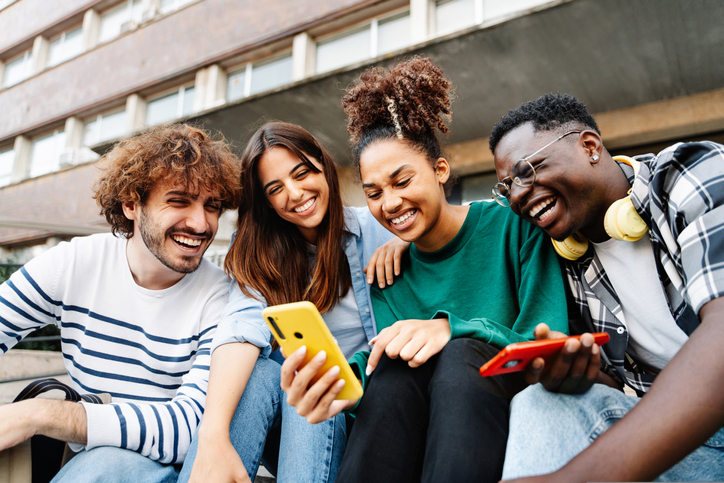
You’ve probably heard of them by now, you might even have one at home. The middle part, baggy jeans, bucket hat, Tik-Tok loving Gen Z’s who are coming of age. This new generational group doesn’t adhere to many of the standards set forth by previous generations, and as such pose a unique and exciting challenge when it comes to understanding and marketing to them.
Gen Z is typically represented by individuals born after 1997, and are one of the most ethnically diverse generations. This generation wields a huge amount of influence and monetary power with a study by Campaign Monitor citing that they account for 40 percent of all consumers, and have spending power of $44 billion expanded to $600 billion when the influence on their parents spending is accounted for.
Key Takeaways
- Who is Gen Z in 2026? Born between 1997 and 2012 (Ages 14–29). They are no longer just teenagers, they are working professionals, homeowners, and primary decision-makers.
- Economic Impact: Their direct global purchasing power has reached $450+ Billion, with their overall household spending influence surpassing $850+ Billion.
- The Social Search Shift: Over 43% of Gen Z consumers prefer social platforms like TikTok, Instagram Reels, and YouTube Shorts over traditional Google search as their primary search engines.
- Brand Loyalty Drivers: Buying decisions are no longer driven by traditional corporate ads; instead, they are shaped by radical authenticity, user-generated content (UGC), and transparent brand values.
The Demand for Authenticity
With this level of influence, it is no wonder that marketers are lining up to figure out how to influence Gen Z. Unfortunately for marketers, Gen Z has grown up with the internet and is able to determine when brands are inauthentic, which will quickly turn them away. They are much more likely to turn to their peers as opposed to the “experts” when it comes to making a big decision.
One of the biggest things that brands can do to keep Gen Z consumers is to be authentic in their interactions with them. Staying true to your brand is extremely important, as is being socially active. If there is a disconnect between your brand persona and actions, Gen Z is likely to find it. You’ll most likely find yourself called out on Tik Tok, like personal-care brand St. Ives who recently found themselves in hot water with the skin care community. Now more than ever it is important to create a holistic and well-rounded approach to marketing.
Taking a Stand and Brand Persona
It is not enough to push a sales offer to them. Brands have to show that they actually care about each consumer, and the world around them. This generation is truly defined by their search for truth and authenticity. In their search for authenticity, Gen Z expects brands to take a stand. These young consumers do not differentiate between the brand, the owner, and the suppliers that work with the brand. They take a big picture approach and see how all the parts interact together. Because of this, it is important for brands to create a cohesive and authentic brand across all channels.
Shared Economy and Personalization
For many brands, Gen Z offers an exciting opportunity to not only rebrand but to redefine their values. Gen Z has the world at their fingertips, and as such are much more analytical about the very act of consumption. They have redefined what a product is, turning services into products through the shared economy (think of Uber, Air BnB). This re-defining of what can be a product allows businesses to market whole new categories that they may never have thought of. Everything can be turned into a product now! This generation has also given a greater importance to personalization of items, and services. To them, consumption is a means of self expression and they are willing to pay more for goods and services that are tailored to them.
Gen Z poses a unique and exciting opportunity for brands. Do you need help navigating this new and exciting paradigm? Then give us a call at Miller Ad Agency where we can help you navigate the ever changing consumer landscape.
Gen Z in 2026 Demographic & Economic Updates
Workforce Expansion and Spending Power Growth
In 2026, Generation Z spans from 14 to 29 years old. The oldest members of this demographic are now well into their late 20s climbing career ladders, buying homes, managing finances, and making primary household purchasing decisions.
While early studies cited direct spending power at $44 billion, updated 2026 market data indicates that Gen Z now commands over $450 Billion in direct global purchasing power, with an overall household spending influence exceeding $850 Billion.
How Much Have Things Changed? (2020 vs. 2026 Breakdown)
| Strategic Focus Area | Old Perspective (2020–2021) | Updated 2026 Market Reality |
| Primary Age Group | Teenagers & high school students | Working adults & young professionals (Ages 14–29) |
| Direct Spending Power | $44 Billion | $450+ Billion ($850B+ overall household impact) |
| Search Platform Focus | Traditional Google Search | Social Search (TikTok, Instagram Reels, YouTube Shorts) |
| Primary Content Format | Static images & text articles | Short-form vertical video (UGC) & interactive media |
| Brand Trust Factor | Basic mission statements | Proof of action, UGC, and supply chain transparency |
The Social Search Shift & Short-Form Video Strategy
TikTok and Instagram as Primary Search Engines
A major shift in Gen Z behavior is how they find products online. Traditional text-based search engines are no longer their primary starting point. Over 43% of Gen Z consumers now start their product searches directly on TikTok, Instagram Reels, and YouTube Shorts.
To drive organic impressions and discovery in 2026, brands must focus on:
- User-Generated Content (UGC): Authentic, unpolished video reviews filmed on smartphones outperform high-budget corporate commercials.
- Social Search Optimization: Optimizing video captions, native spoken audio keywords, and relevant hashtags so algorithms index your brand in social search results.
- Micro-Influencer Partnerships: Collaborating with niche creators (10k–50k followers) who hold genuine trust within specific digital communities.
Why Trust Miller Ad Agency?
Navigating generational shifts requires more than observing trends; it demands execution grounded in market experience. At Miller Ad Agency, our team brings decades of full-service advertising experience, tracking consumer psychology from Traditional Media to algorithmic Social Commerce.
Authoritative Strategy & Proven Execution
- Data-Backed Campaign Audits: We continuously audit multi-channel campaign performance to align tone, visual messaging, and offer structures with shifting consumer expectations.
- Omnichannel Brand Consistency: As Gen Z evaluates every touchpoint from founder messaging to digital checkout our strategic frameworks ensure unified brand messaging across search, social, and programmatic media.
- Adapting to Algorithmic Discovery: From traditional SEO to modern Generative Engine Optimization (GEO) and Social Search, our specialists help brands stay visible where their target audience actually browses.
Frequently Asked Questions
What is the age range of Generation Z in 2026?
In 2026, Generation Z includes individuals born between 1997 and 2012, ranging from 14 to 29 years old.
How much spending power does Gen Z control in 2026?
Gen Z commands over $450 billion in direct purchasing power globally, with an overall spending influence exceeding $850 billion when factoring in household decisions.
Why is social search replacing traditional Google search for Gen Z?
Over 40% of Gen Z prefers searching on platforms like TikTok and Instagram because short-form videos provide instant visual proof, authentic peer reviews, and real-life product demonstrations.
How can brands build authentic trust with Gen Z consumers?
Brands build trust by maintaining transparent business practices, partnering with genuine micro-creators, delivering consistent action on social values, and focusing on user-generated content over traditional ads.